Daijiworld Media Network – New Delhi
New Delhi, Nov 20: For many dog owners, being licked by their pet is an everyday expression of affection. Some even allow their dogs to lick their faces, hands or minor cuts without much concern. However, a rare bacterial infection associated with dog and cat saliva highlights the potential risks, particularly when the bacteria enter the body through broken skin.
Recently, Dr Priyam Bordoloi shared a case on X in which a man developed severe complications after being licked by his dog. The man initially experienced flu-like symptoms but, by the third day, began struggling to breathe and developed purple patches on his skin. His organs subsequently failed, and he died in the intensive care unit after 16 days of treatment.
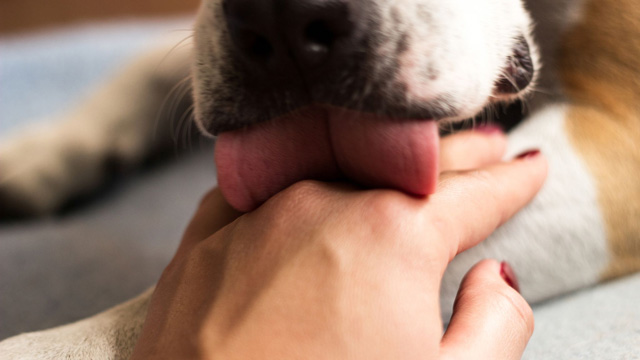
The infection was linked to Capnocytophaga canimorsus, a bacterium commonly found in the mouths of dogs and cats. Although it generally does not cause illness in the animals carrying it, it can lead to severe infections in humans when transmitted through bites, scratches or contact with open wounds.
A 2016 case report published in the British Medical Journal described a 70-year-old woman who developed severe sepsis following close contact with her pet dog, despite having no known bite or scratch injury. She recovered after receiving intensive care and antibiotic treatment.
Another case study published in 2019 reported that a 63-year-old man developed a serious infection after his dog licked a wound on his leg. Despite medical treatment, he died due to multiple organ failure.
Explaining the case shared on X, Dr Bordoloi said doctors suspected that the bacteria had entered the man's body through his dog's saliva, although the exact entry point could not be established.
The patient had a dangerously low platelet count of 20,000, while his blood took much longer than normal to clot. Doctors also observed tiny clots blocking blood flow to the skin. In severe infections, widespread clotting can deplete platelets and clotting proteins, causing both clotting and bleeding complications. This condition is known as disseminated intravascular coagulation (DIC).
The rapidly spreading purple patches were signs of purpura fulminans, a serious condition in which blood supply to parts of the skin is disrupted, causing tissue damage. The man had also stopped producing urine by the time he was admitted to hospital. He required dialysis and ventilator support but died after 16 days of treatment.
One of the major concerns with C. canimorsus infection is that it can progress rapidly. Its early symptoms may resemble those of a common viral illness, making it difficult to identify the infection initially.
Symptoms can include fever, chills, headache, muscle pain, vomiting, diarrhoea, stomach pain, redness or swelling around a wound, blisters near the exposure site, confusion and unusual weakness.
According to the US Centers for Disease Control and Prevention (CDC), symptoms of animal-associated Capnocytophaga infections generally begin three to five days after exposure.
The bacterium's slow-growing nature can also make it difficult to identify through routine laboratory testing, potentially delaying diagnosis. These reported cases underline the importance of seeking prompt medical attention if symptoms develop after contact between animal saliva and broken skin.