Media Release
Mangaluru, Nov 27: St Aloysius Pre-University College (SAPUC), Mangaluru, observed Constitution Day through a series of activities, including a special assembly, the reading of the preamble, the administration of the Constitution Pledge and an expert session. The activities aimed to familiarise students with their constitutional rights and responsibilities and highlight the role of young citizens in strengthening democracy.
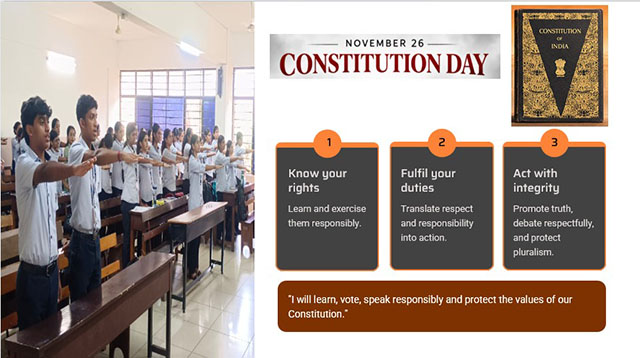
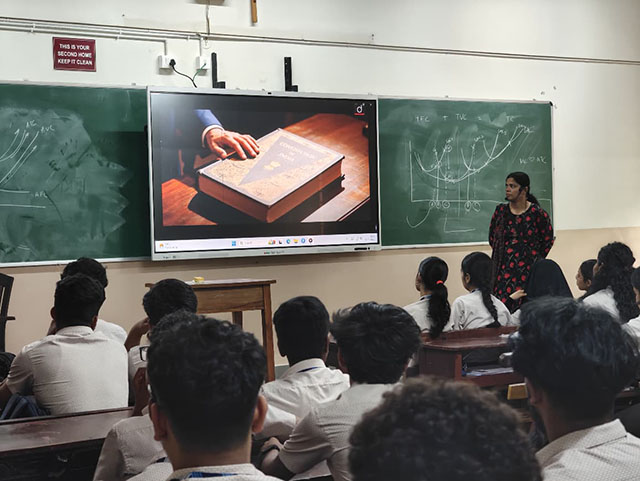
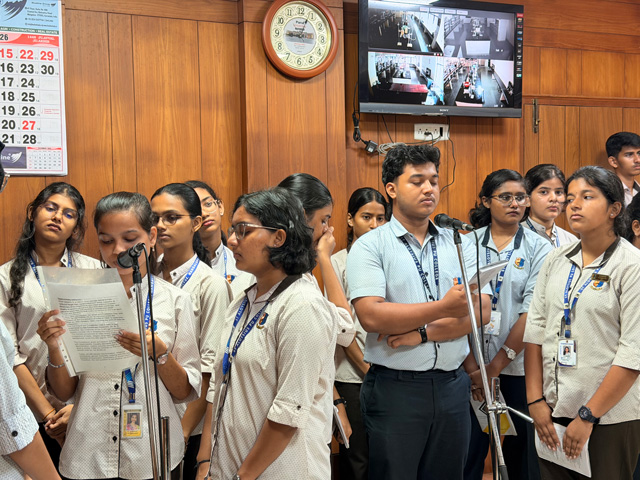
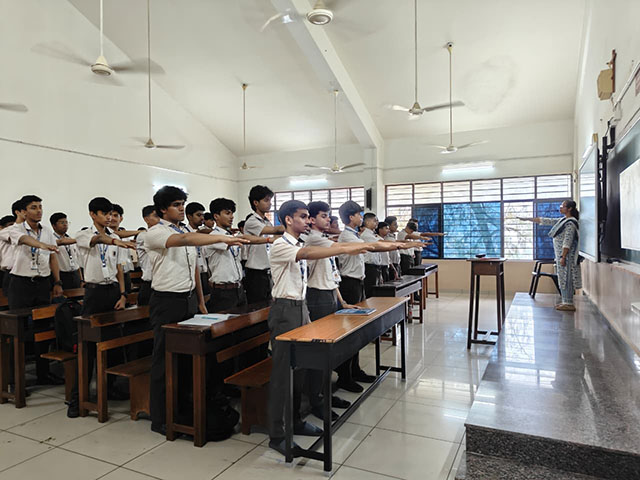
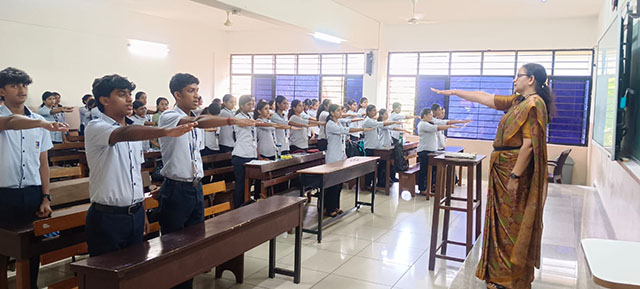
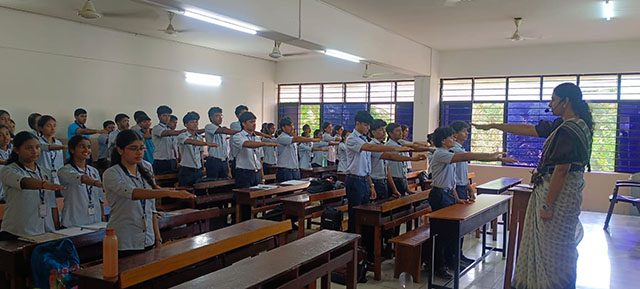
The observance began with a special morning assembly highlighting the significance of Constitution Day, during which students read the preamble and took the Constitution pledge. A video presentation in all classrooms further highlighted the core values of the Constitution and the role of youth in nation-building.
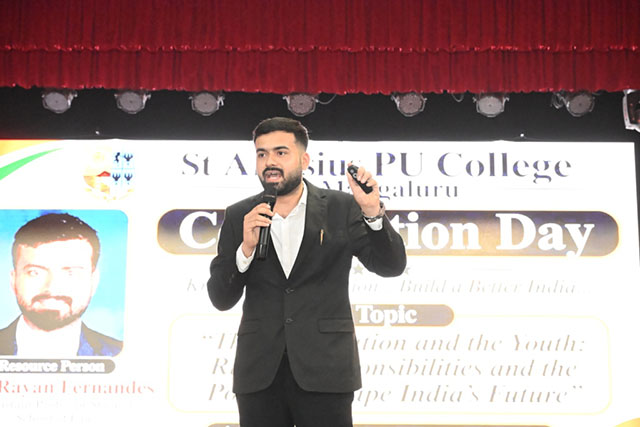
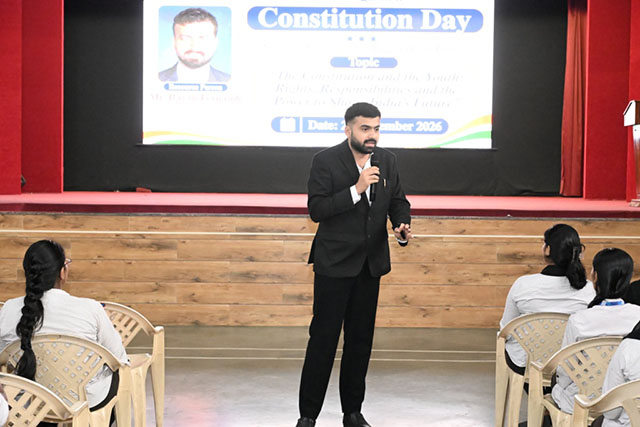
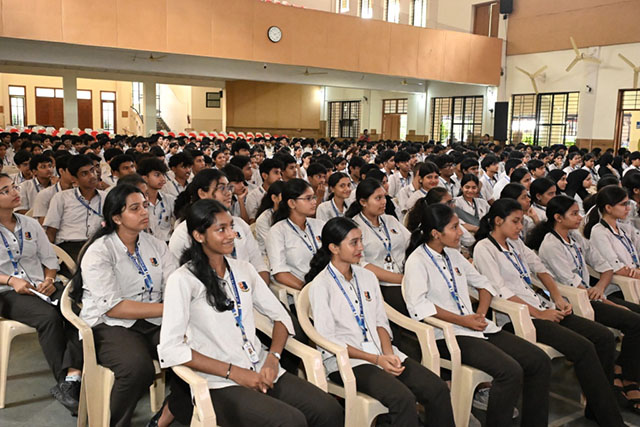
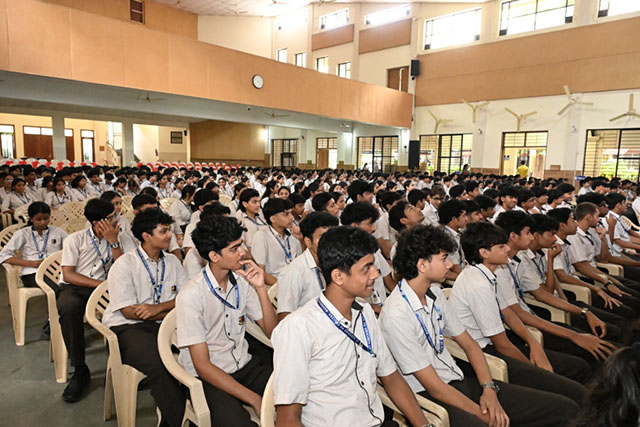
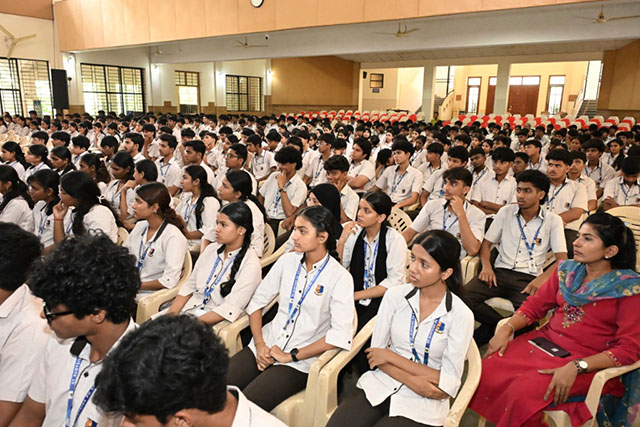
As part of the programme, Rayan Fernandes, assistant professor, School of Law, St Aloysius (Deemed to be University), addressed the students on the theme ‘The Constitution and the Youth: Rights, Responsibilities and the Power to Shape India's Future’.
Tracing the historical background of the Indian Constitution and the work of the Constituent Assembly, Rayan explained the significance of the preamble and its foundational principles of sovereignty, socialism, secularism, democracy and republicanism. He elaborated on the ideals of justice, liberty, equality and fraternity, highlighting their relevance to protecting individual dignity and upholding democratic values.
He familiarised students with the six fundamental rights: The right to equality, right to freedom, right against exploitation, right to freedom of religion, cultural and educational rights, and right to constitutional remedies. Explaining how these rights safeguard citizens against discrimination, exploitation and arbitrary exercise of authority, he used everyday situations to illustrate their relevance in protecting individual freedoms.
Emphasising the importance of legal awareness among young people, Rayan remarked, "If you know the law, you will rule; if you do not know the law, somebody will rule you." He stressed that the Constitution is supreme and that no individual or public authority is above the law.
Drawing on an experience from his student days, he narrated how he had helped trace a woman who had been missing for nearly two years. Following his intervention with the Superintendent of Police, the police rescued her and admitted her to a rehabilitation centre. After three months, she recovered her memory, identified her native place in Telangana and was able to return home. The incident illustrated how legal awareness and timely intervention could help protect vulnerable individuals.
The session also covered constitutional writs, including Habeas Corpus, Mandamus, Prohibition, Certiorari and Quo Warranto, explaining their role in protecting personal liberty, ensuring that public authorities discharge their duties and preventing the misuse of power. Referring to the Emergency of the 1970s, he highlighted the importance of judicial intervention in safeguarding Fundamental Rights. He also explained the distinct roles of the Legislature, Executive and Judiciary in maintaining the constitutional order.
The programme encouraged students to move beyond a symbolic observance of Constitution Day and develop a practical understanding of constitutional principles, enabling them to exercise their freedoms responsibly, respect the rights of others and participate meaningfully in democratic life.