Daijiworld Media Network - Panaji
Panaji, Nov 29: Nearly 64 per cent of Goa's 25 notified wetlands are facing varying degrees of ecological stress and will undergo detailed health assessments under a new system of wetland health cards mandated by the Union Ministry of Environment, Forest and Climate Change (MoEF&CC).
The initiative aims to strengthen the monitoring and conservation of these ecologically sensitive water bodies. The Goa State Wetland Authority (GSWA), through the Goa State Pollution Control Board (GSPCB), will prepare health cards for all 25 notified wetlands.
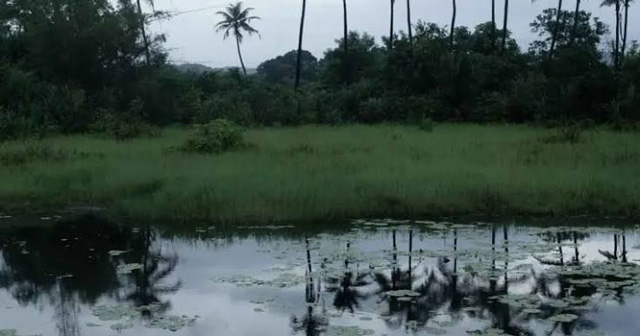
The assessments will examine their ecological condition using standardised indicators covering water quality, hydrology, biodiversity and governance. Water samples will be collected periodically and tested at the GSPCB laboratory, which is accredited by the Union Environment Ministry.
The GSPCB approved the proposal moved by the GSWA at its meeting on November 4. The cost of implementing the exercise is yet to be estimated.
The health cards will evaluate wetlands under four broad categories: area; hydrology and catchment; biodiversity; and governance. The assessment will use nine standardised indicators, including water quality, the number of choked water inlets and outlets, the spread of invasive species and biodiversity parameters such as bird populations.
The exercise assumes significance as 16 of Goa's 25 notified wetlands are under varying degrees of pressure from encroachment, pollution, siltation, aquaculture, mining, intensive agriculture and unsustainable resource extraction, according to a MoEF&CC assessment.
The affected wetlands include the internationally recognised Nanda Lake Ramsar site at Curchorem. Carambolim Lake, Batim Lake and Bondvol Lake are also facing threats linked to encroachment, mining and tourism-related activities.
Siltation has emerged as another widespread concern, affecting several wetlands, including Chimbel, Coneix, Cottambi, Dhasi, Durga, Pali, Pilerne, Sarzora, Sulabhat, Tarvalem and Xeldem lakes.
Pollution from untreated waste, agricultural chemicals and urban runoff has further contributed to the degradation of these important water bodies.