Daijiworld Media Network - Panaji
Panaji, Dec 21: Goa’s rural voters turned out in strong numbers on Saturday for the Zilla Panchayat (ZP) elections, with the State Election Commission reporting an overall turnout of 70.81%—72.66% in North Goa and 68.93% in South Goa.
Latambarcem in Bicholim recorded the highest participation at 88.29%, followed closely by Querim in Sattari at 87.99%. In contrast, Navelim in Salcete (55.29%) and Velim (56.52%) saw the lowest voter turnout.
Voters’ moods varied across the state. While some expressed frustration with politicians, many arrived enthusiastically to support their preferred candidates. Compared to five years ago, when the pandemic affected polling, this turnout marks a significant rise from 56.8%.
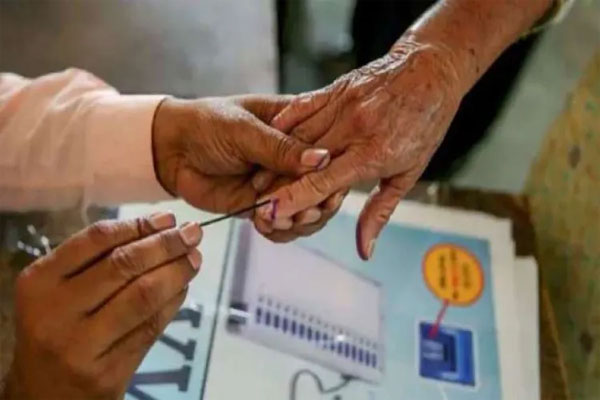
Across the 50 constituencies—25 each in North and South Goa—queues steadily built throughout the day, with families voting together and volunteers assisting elderly citizens, lending a festive air to the democratic exercise.
However, the process was not without issues. Confusion over voter serial numbers in Chimbel and other areas caused some to abstain, and concerns were raised about secrecy after staff marked serial numbers on voter lists. AAP convenor Amit Palekar called for greater transparency. In St Lawrence constituency, police seized AAP belts and badges worn by volunteers near a polling booth. Several booths also lacked wheelchair accessibility.
Politically, the elections carry significant weight. The BJP views the polls as a test of its rural outreach ahead of the 2027 Assembly elections. The Congress, in alliance with the Goa Forward Party, hopes to show that opposition unity can deliver results. The AAP contested aggressively across constituencies to expand beyond its Salcete base, while the Revolutionary Goans Party made its debut, emphasizing identity-driven politics.
In Bardez, polling highlighted both challenges and enthusiasm. Voters reported difficulty obtaining serial numbers from booth-level officers, causing delays. At the same time, arrangements like wheelchair assistance reflected efforts to make polling more inclusive.
The atmosphere around booths was lively, with election agents, panch members, and party workers mobilizing supporters. Reports also indicated attempts by candidates and local leaders to sway voters with inducements, underscoring the competitive nature of grassroots politics in the region.
Overall, Goa’s ZP elections demonstrated the resilience of its democratic spirit, even amid procedural challenges and high political stakes.