Daijiworld Media Network – New Delhi
New Delhi, Dec 24: The Union government has reiterated its commitment to strengthening influenza surveillance systems and laboratory capacity to effectively combat seasonal and zoonotic influenza outbreaks, the Ministry of Health and Family Welfare said on Tuesday.
The National Centre for Disease Control (NCDC), in collaboration with the World Health Organization (WHO), organised a two-day Influenza Chintan Shivir in New Delhi on December 22 and 23, aimed at enhancing preparedness and response mechanisms ahead of the forthcoming influenza season.
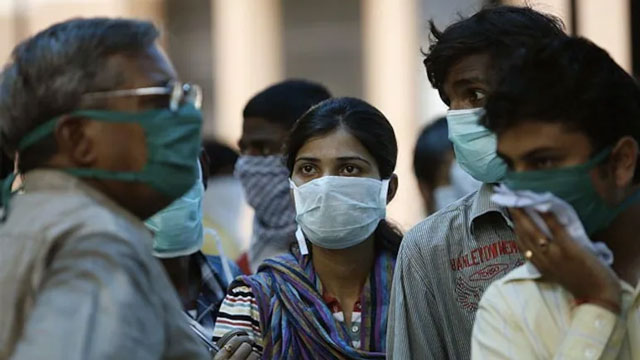
According to the Health Ministry, deliberations during the Shivir stressed the need for robust inter-sectoral convergence, with a focus on strengthening surveillance, laboratory infrastructure and clinical preparedness for early detection and timely response to influenza outbreaks.
A major outcome of the Chintan Shivir was the formulation of a structured influenza preparedness checklist to guide preparedness planning at the Centre, state and district levels. The checklist covers four critical domains — surveillance, early warning and risk assessment; laboratory system strengthening; hospital preparedness and clinical response; and One Health coordination, risk communication and community engagement.
The discussions reaffirmed India’s commitment to coordinated national action to prevent, detect and respond effectively to influenza and other respiratory viral threats.
“The Chintan Shivir concluded with a consensus on adopting a whole-of-Government and One Health approach to address seasonal and zoonotic influenza. Ministries agreed to strengthen integrated surveillance across human, animal and wildlife sectors; enhance laboratory and genomic capacities; ensure timely data sharing; and align sectoral action plans with the national pandemic preparedness framework,” the Ministry said.
Around 100 representatives from multiple ministries — including health, animal husbandry, agriculture and environment — along with premier research institutions, state governments and international partners participated in the Shivir, reinforcing the One Health and whole-of-Government approach to public health preparedness.