Daijiworld Media Network – New York
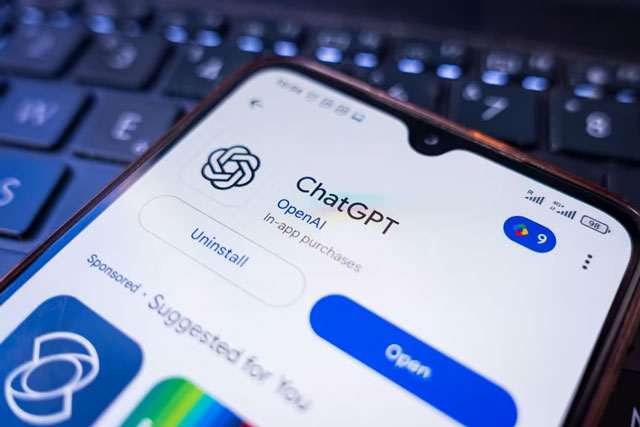
New York, Jan 18: OpenAI has announced that it will begin testing advertisements on ChatGPT for logged-in adult users in the United States using the free version of the platform. The company has also unveiled a new subscription tier called “Go,” priced at $8 per month, offering upgraded features while still carrying ads.
According to OpenAI, ads will appear at the bottom of ChatGPT’s responses and will be clearly marked as “sponsored.” The company stressed that advertisements will not influence the answers generated by ChatGPT and that users must be able to trust the platform’s responses as objective and useful.
The newly introduced “Go” plan offers longer memory and more image-generation options, positioning it between the free version and the existing Plus ($20 per month) and Pro ($200 per month) subscriptions. Users on Plus, Pro and business plans will not see ads.
OpenAI CEO Sam Altman has earlier expressed discomfort with advertising, once calling the idea of mixing ads with AI “uniquely unsettling.” However, the move comes as the company looks to significantly boost revenue from its roughly 800 million monthly users to fund massive investments in AI infrastructure. OpenAI has committed to spending about $1.4 trillion over the next eight years and expects to reach nearly $20 billion in annual revenue by the end of 2025.
Last year, OpenAI rolled out tools such as “Instant Checkout,” allowing users to purchase products from platforms like Walmart and Etsy directly through ChatGPT. The company has also added health and learning tools as it seeks to make ChatGPT a more integral part of everyday life.
Advertising is seen as a potentially lucrative avenue, as conversational context could allow highly targeted promotions, such as travel-related ads when users plan trips. OpenAI, however, said it will not sell user data or conversations to advertisers, and users will have the option to disable ad personalisation. Ads will not be shown in conversations involving regulated topics such as health, mental health or politics.
The company also clarified that ads will not be served to users under 18, using AI-based systems to estimate age from usage patterns. OpenAI said it aims to develop ad experiences that are more helpful and interactive than traditional advertising, allowing users to ask follow-up questions before making purchase decisions.
The introduction of ads into chatbot conversations may spark debate, given the personal nature of many interactions. The move also increases pressure on OpenAI to ensure that advertised products are safe, especially amid past legal scrutiny over the platform’s content.
Industry experts note that advertising is likely to become a growing feature across AI platforms, with companies like Meta already using chatbot interactions to personalise ads.