Daijiworld Media Network - Khartoum
Khartoum, Jan 22: Intensifying violence in Sudan’s North Darfur state has left thousands of civilians trapped and severely limited access for humanitarian agencies, the United Nations has warned, as displacement and food insecurity worsen across multiple regions.
The UN Office for the Coordination of Humanitarian Affairs (OCHA) said on Wednesday that it is deeply concerned about civilians who remain cut off from assistance in North Darfur. According to reports from local partners, at least 2,000 families are stranded in the valleys of Wadi Qardi and Um Saad in the Karnoi and Um Baru areas, with little or no access to aid.
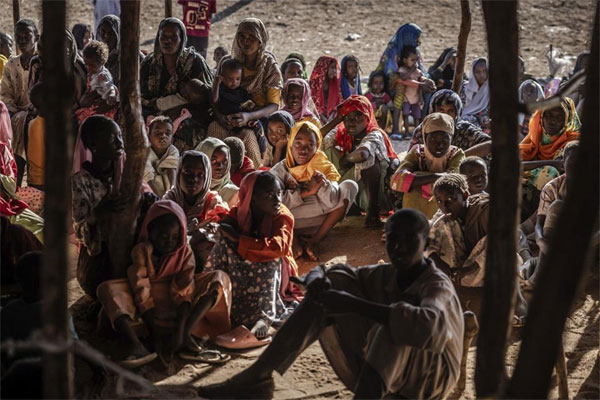
The conflict is also driving fresh waves of displacement in the Kordofan region. The International Organization for Migration (IOM) estimates that nearly 3,000 people were forced to flee between January 15 and January 19 from the cities of Kadugli and Dilling in South Kordofan. Many of those displaced have moved toward White Nile state in search of safety.
OCHA confirmed that famine conditions have been identified in Kadugli, while Dilling is facing similarly severe levels of food insecurity. In White Nile state, the arrival of displaced families has further strained already overstretched services. Local authorities and aid partners reported that almost 2,000 people have reached the city of Kosti over the past three weeks alone. Since late October, around 19,500 people have fled from Kordofan to White Nile.
The UN agency urged all parties involved in the conflict to protect civilians and civilian infrastructure and to allow immediate, safe, and unhindered humanitarian access to affected populations.
While the United Nations and its partners are working to expand assistance—providing food rations, shelter materials, bedding, water, and sanitation and hygiene services—OCHA said serious gaps persist due to insufficient funding.
To address the growing crisis, OCHA appealed for additional international support. For 2026, the UN and its partners are seeking USD 2.9 billion to deliver life-saving aid to more than 20 million people in need across Sudan.