Daijiworld Media Network - Hyderabad
Hyderabad, Jan 29: India’s civil aviation sector is on course for a historic expansion, with global aircraft manufacturer Airbus projecting that the country’s commercial aircraft fleet will triple to around 2,250 planes within the next decade. This rapid growth is expected to propel India into the position of the world’s third-largest aviation market by 2035.
Speaking on the sidelines of the Wings India 2026 aviation summit, Airbus India and South Asia President and Managing Director Jurgen Westermeier said the scale of the expansion would be among the most aggressive seen anywhere in the world. The projection refers specifically to aircraft with more than 100 seats, compared to current fleet levels in 2025.
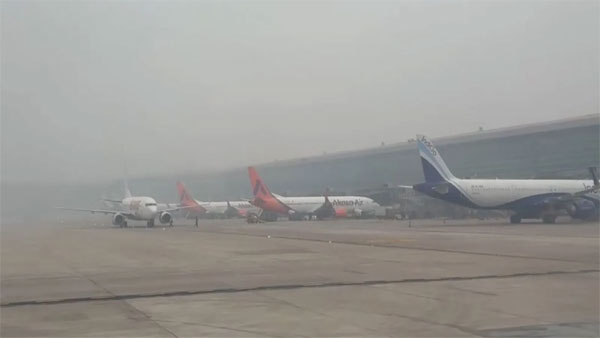
According to Airbus, the surge is being fuelled by a powerful combination of factors — India’s status as the fastest-growing major economy among G20 nations, sustained government investment in infrastructure, and a notable shift in travel habits. Per capita air travel in the country is expected to more than double over the next ten years, reflecting a rapidly expanding middle class and rising demand for air connectivity.
As a result, passenger traffic in India is forecast to grow at an annual rate of 8.9 per cent through 2035, outpacing all other major economies and significantly exceeding the global average growth rate.
This rapid fleet expansion will also drive massive demand for skilled manpower. The number of commercial pilots required is expected to jump from about 12,000 today to nearly 35,000 by 2035, while the technical workforce will need to expand threefold to around 34,000 professionals.
Westermeier noted that the shift of global aviation’s centre of gravity toward the East places India in a strategic position to emerge as a major international transit hub. However, he stressed that operational models, training systems and infrastructure must evolve just as quickly as fleet size and route networks.
Airbus plans to support this growth with its A320 family for domestic and regional expansion, while the A321XLR and A350 aircraft are expected to anchor India’s long-haul international ambitions.
The projected fleet boom will also transform India into a key hub for maintenance, repair and overhaul (MRO) services. The MRO market for airframes, engines and components is estimated to triple to nearly $9.5 billion by 2035. In addition, Indian airlines are likely to invest up to $1 billion in digitalisation, including flight operations, ground handling, cybersecurity and aircraft connectivity.
To match the scale of aviation growth, the government is planning a major infrastructure push, with the number of operational airports set to rise by around 50, taking the total close to 200 by 2035. This expansion, coupled with increased infrastructure spending, is expected to support higher flight frequencies and sustain long-term growth in the sector.