Daijiworld Media Network - New Delhi
New Delhi, Feb 3: With India’s population ageing rapidly, health experts on Tuesday emphasised the urgent need for a home-based, community-driven, and integrated approach to geriatric care. Speaking at an event in the national capital, they highlighted the growing challenges faced by the country’s elderly and the necessity of more inclusive and responsive care models.
Experts pointed out that India’s elderly population faces multiple challenges, including rising disabilities, age-related conditions like dementia and Alzheimer’s, limited geriatric healthcare infrastructure, and stark disparities in urban and rural access to medical services. Economic pressures, such as inadequate social security and rising healthcare costs, further complicate elder care.
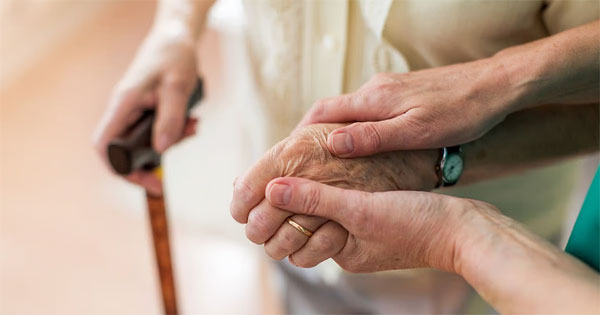
“Ageing is not just about adding years to life, but adding life to those years. Geriatric care must be coordinated, continuous, community-based, and compassionate. Mental and emotional well-being are as critical as physical health, especially in an era of nuclear families and social isolation. Geriatric care is not a luxury—it is a necessity,” said Dr. Rajinder K. Dhamija, Director of the Institute of Human Behaviour and Allied Sciences (IHBAS).
Government data projects India’s senior citizen population will reach around 230 million by 2036, accounting for roughly 15 per cent of the total population. Rajesh Bhushan, former secretary of the Ministry of Health & Family Welfare, stressed that geriatric care cannot remain limited to a few specialised hospitals. “Care must start at home, supported by district-level systems. Many elderly health needs do not require hospitalisation and can be managed through trained caregivers, home-based services, and coordinated community support. The real challenge lies in scale, integration, and last-mile delivery,” he said.
Bhushan also recommended upskilling general physicians, integrating social and medical care, and learning from countries like Japan and South Korea to develop unified elder care models combining healthcare, rehabilitation, and social support.
Experts also noted a widening digital divide, with many seniors struggling to use technology due to limited access and lack of age-friendly training. Public infrastructure such as transport, emergency response systems, and communal spaces remain largely unprepared to support seniors’ safety, mobility, and independence.
“Age is truly just a number. Social engagement, mental stimulation, and proactive management of chronic conditions like vision, hearing, balance, diabetes, and hypertension can dramatically improve quality of life. Advances in technology and medical science can help, but only if they are accessible and equitable,” said Prof. Nirmal Kumar Ganguly, Former Director General of ICMR.
The experts concluded that a coordinated, community-led, and compassionate approach to elder care is essential to meet the needs of India’s rapidly growing senior population.