Daijiworld Media Network - Jerusalem
Jerusalem, Feb 20: A recent study by the Jewish People Policy Institute (JPPI) has highlighted what it describes as a stark imbalance in international media coverage and protest activity between the Israel-Hamas conflict and the Iranian government’s crackdown on domestic protests.
The research, conducted by the Glazer Information Center at JPPI, compared global responses during two identical 22-day periods — one surrounding the Israeli Defence Forces’ (IDF) entry into Rafah and the other during the violent suppression of protests in Tehran.
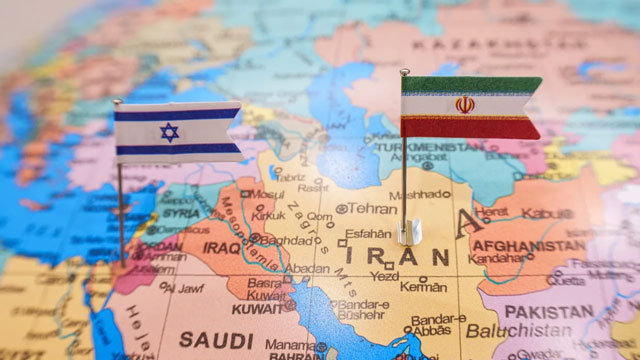
According to the findings, media coverage and public demonstrations related to the Rafah operation received nearly 100 times more attention than those addressing the unrest in Iran.
JPPI President Prof. Yedidia Stern said the study sought to underline the contrasting reactions of the international community. He observed that while Israel’s actions in what it describes as a defensive war against armed groups drew intense scrutiny, the Iranian regime’s handling of protests by its own citizens triggered comparatively muted global outrage.
Drawing on data from the Crowd Counting Consortium, which tracks protest activity across the United States, the study found that only 25 protests were held in the US during the period of Iran’s crackdown. Not all of these demonstrations expressed solidarity with Iranian protesters.
In contrast, during the 22-day window examined around the Rafah operation, 476 protests against Israel were recorded, contributing to a total of 2,120 demonstrations in the United States linked to the Israel-Hamas war.
Researchers noted that the Rafah period coincided with widespread campus protests in the US and the viral “All Eyes on Rafah” social media campaign, which amplified global attention.
The JPPI study reviewed reporting in major international outlets using the Lexis-Nexis database. Media organisations analysed included CNN, Al Jazeera (English), BBC, The Washington Post, The Times of India and others.
The analysis showed that reporting on the Rafah operation was nearly double the volume of coverage devoted to the Iranian protest suppression during the comparable timeframe.
The study also examined the involvement of advocacy and human rights organisations in both situations. It found that several groups active in anti-Israel protests were largely absent from solidarity efforts for Iranian demonstrators.
JPPI researchers concluded that conflicts involving Israel tend to attract unusually high global attention, which they argue may, at times, be disproportionate compared to other severe geopolitical crises.
The findings have sparked renewed debate on international media priorities and the nature of global political discourse.