Daijiworld Media Network - Aden
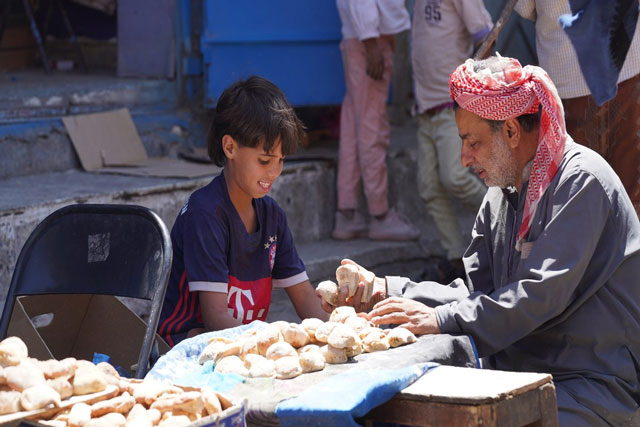
Aden, Feb 28: As Ramadan unfolds in Aden, Yemenis are experiencing glimpses of normalcy for the first time in years. Salaries funded by Saudi Arabia have reached public sector workers, electricity provision has improved, and markets are bustling – signs of renewed life in the southern port city.
For 35-year-old teacher Abu Amjad, the joy of taking his children shopping was abruptly interrupted by gunfire from security forces dispersing antigovernment protesters near al-Maashiq Palace. “It ruins your joy when you see a person bleed and robs you of peace when you hear prolonged gunfire,” he told Al Jazeera.
Yemen’s Saudi-backed, UN-recognised government, now in its strongest position after reclaiming Aden from the Southern Transitional Council (STC), is focused on stabilising the city and improving living conditions. Prime Minister Shaya al-Zindani has highlighted efforts to enhance electricity, water supply, and basic services, supported by Saudi financial aid, which has also enabled payment of public sector salaries.
Residents like bus driver Abdulrahman Mansour note a stark difference this Ramadan. “When I see the lights on and the markets busy, it feels like a different city… it reminds me of pre-war times,” he said.
Economist Wafiq Saleh observed that while the improvements are visible, they are largely driven by Saudi support rather than domestic reforms, and warned that long-term sustainability requires systemic economic changes.
However, challenges remain. Cooking gas shortages persist, straining families during Ramadan, and political tensions continue as the STC and other opponents exploit ongoing issues to mobilise dissent. Majed al-Daari, editor-in-chief of Maraqiboun Press, described Aden’s situation as “very worrying,” highlighting the fragility of security and political stability.
For citizens like Abu Amjad, the hope is for a peaceful Ramadan. “At least, Ramadan should pass without protests. Political actors should spare us this month so we can fast and share some joy with our children,” he said.
Despite the challenges, the partial restoration of services and salaries provides a glimpse of stability, even as Yemen’s path forward remains uncertain.