Daijiworld Media Network – New Delhi
New Delhi, Mar 19: The Government of India has identified 22 India-bound vessels operating in the Persian Gulf for evacuation and safe passage through the strategically crucial Strait of Hormuz, amid rising regional tensions.
According to reports, 20 of these vessels have been classified as critical to India’s energy security. They are carrying substantial cargo, including around 215,000 metric tonnes of liquefied natural gas (LNG), 321,000 tonnes of liquefied petroleum gas (LPG), and 1.676 million tonnes of crude oil.
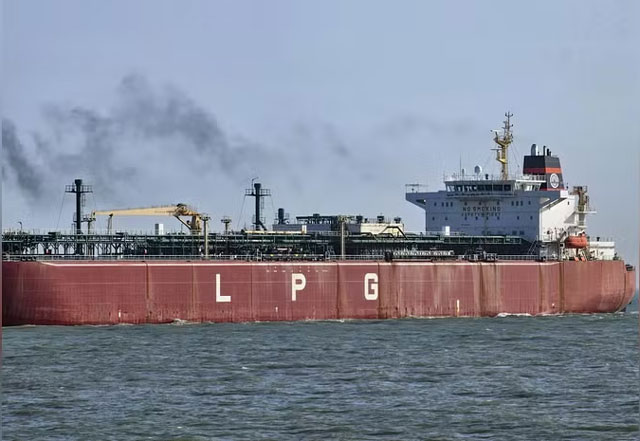
The fleet includes a mix of Indian-flagged and foreign-flagged ships, all destined for India. Among the energy-critical vessels, 10 are Indian-flagged, comprising three LNG carriers, 10 LPG carriers, and seven crude oil tankers. Other vessels are registered under flags such as the Marshall Islands, Liberia, Greece, Malta, and Portugal.
In addition, two Indian-flagged container vessels have also been marked for evacuation to ensure their safe transit through the sensitive maritime corridor.
Efforts are being coordinated by multiple agencies, including the Ministry of Ports, Shipping and Waterways, Directorate of Naval Operations, Ministry of Petroleum and Natural Gas, and the Information Fusion Centre – Indian Ocean Region.
Officials said 611 individuals aboard 22 Indian-flagged vessels in and around the Strait of Hormuz, including those positioned west of key shipping routes, are safe.
Amid the heightened alert, two Indian-flagged LPG carriers—Shivalik and Nanda Devi—successfully crossed the Strait under escort by the Indian Navy and reached India on March 16 and 17.
The vessels were carrying approximately 92,712 metric tonnes of LPG. Shivalik has partially discharged its cargo at Mundra Port and is awaiting ship-to-ship operations, while Nanda Devi has docked at Vadinar for cargo transfer, with operations expected to begin soon.
The developments come as India steps up measures to secure its vital energy supplies and ensure the safety of maritime assets amid escalating geopolitical tensions in the region.