Daijiworld Media Network – New Delhi
New Delhi, Apr 7: In a move aimed at easing cooking fuel access for vulnerable sections, the Centre has permitted states to double the daily allocation of 5 kg LPG cylinders for migrant workers, amid supply disruptions linked to the ongoing West Asia conflict.
In an order issued on April 6, the government stated that the daily quantity of 5 kg free trade LPG (FTL) cylinders available for distribution will be increased beyond the earlier cap of 20% set in its March 21 directive. The revised allocation will be based on the average number of cylinders supplied on March 2 and 3, 2026.
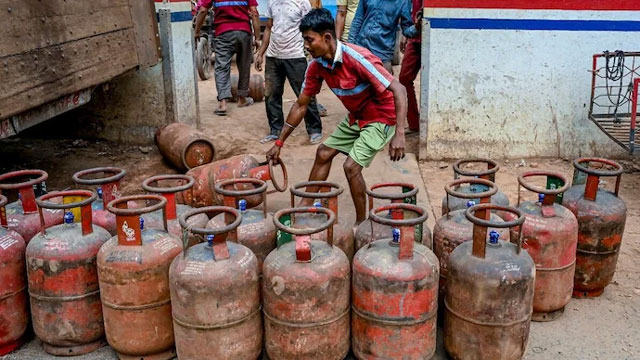
The additional cylinders will be made available to state governments and their food and civil supplies departments, with support from public sector oil marketing companies, strictly for distribution among migrant labourers.
The decision comes at a time when parts of the country are witnessing LPG supply constraints due to disruptions in global energy supply chains triggered by the West Asia conflict. India’s heavy reliance on LPG imports has made domestic availability vulnerable to such international developments.
In recent weeks, migrant workers in several cities have faced difficulties in accessing affordable cooking fuel, with delays in refills and rising costs in informal markets. Reports indicate that some workers have resorted to using firewood, while others have begun returning to their native places due to increasing living expenses.
Industries dependent on migrant labour have also expressed concern, citing challenges in maintaining canteen services and workforce stability amid the fuel crunch.
Officials maintained that overall LPG supplies remain stable and said the government is taking measures such as prioritising essential consumption, preventing hoarding, and promoting access to smaller cylinders for economically weaker sections.
The enhanced allocation of 5 kg cylinders is expected to improve last-mile delivery for migrant workers, who rely on these smaller units due to affordability and ease of access. However, its effectiveness will largely depend on timely and efficient distribution by state authorities.