Daijiworld Media Network - New Delhi
New Delhi, Apr 12: Prime Minister Narendra Modi has reached out to leaders of all political parties ahead of the upcoming Parliament sitting, urging them to support legislation for the early implementation of 33 per cent reservation for women in legislatures.
In letters addressed to floor leaders, Modi called for unity in passing the Constitutional amendment, describing it as a historic opportunity to fulfil the long-standing demand for greater representation of women in politics.
The appeal comes as Parliament reconvenes for a special sitting to take forward amendments linked to the implementation of the Nari Shakti Vandan Adhiniyam, which was passed in September 2023.
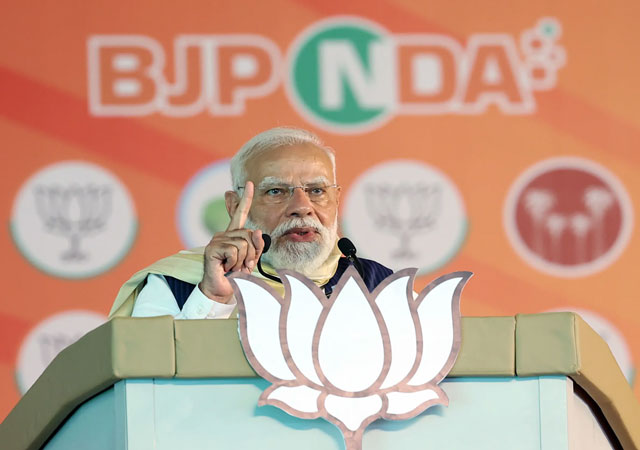
“This is a moment above any one party or individual. Since all political parties have long supported increasing women’s representation, the time has come to turn that aspiration into reality,” the Prime Minister said.
He emphasised that Members of Parliament contributing to the implementation of the law would take pride in being part of a historic step, adding that the opportunity must not be missed.
Modi noted that discussions on the timing of implementation had earlier led to a consensus that the quota should be enforced at the earliest, particularly after delimitation. He said the government had consulted experts and political stakeholders before concluding that the time was ripe to operationalise the provision.
Highlighting future electoral timelines, he said it was imperative that the 2029 Lok Sabha and Assembly elections be conducted with women’s reservation in place, which would strengthen democratic institutions and enhance public trust.
Stressing the broader significance, Modi said the progress of any society depends on the advancement and leadership of women. He pointed to increasing participation of women across sectors—from space and sports to defence and entrepreneurship—as evidence of their growing role in nation-building.
Recalling that women constitute nearly half of India’s population, he described the passage of the law in 2023 as a landmark moment in the country’s parliamentary history and a major step towards inclusive governance.