Daijiworld Media Network - Riyadh
Riyadh, Apr 29: The Gulf Cooperation Council (GCC) has firmly opposed any attempts to restrict navigation through the Strait of Hormuz, with Secretary General Jasem Mohamed Albudaiwi stating that member states reject what they described as Iran’s unlawful actions affecting maritime movement.
The remarks were delivered during the 19th consultative meeting of GCC leaders held in Jeddah, Saudi Arabia. Albudaiwi emphasized that the bloc also opposes any measures that could hinder free navigation, including imposing fees on vessels using the crucial trade route.
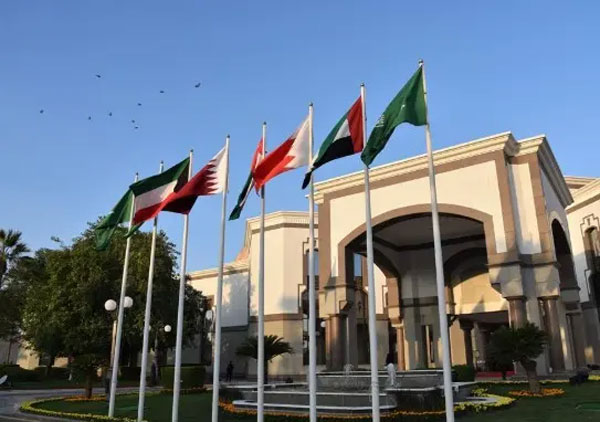
Leaders at the meeting underscored the importance of restoring security and ensuring unrestricted passage through the strait, urging a return to conditions that existed before February 28. They also directed the GCC General Secretariat to speed up key regional initiatives, including joint transport and logistics projects and the long-pending GCC railway network.
In addition, discussions highlighted plans to advance oil and gas pipeline projects, develop a regional water interconnection system, and explore the establishment of strategic reserves across member states. Strengthening military coordination was also a priority, with leaders calling for faster implementation of a unified early warning system to counter ballistic missile threats.
The meeting addressed the broader regional situation, particularly rising tensions and attacks linked to Iran involving GCC countries and Jordan. Leaders stressed the urgency of pursuing diplomatic solutions to de-escalate the crisis and establish long-term security arrangements.
Tensions escalated after joint strikes by Israel and the United States on February 28 targeted Tehran and other Iranian cities, triggering retaliatory missile and drone attacks by Iran. The situation further intensified as Iran tightened control over the Strait of Hormuz.
Although a ceasefire was reached on April 8, subsequent talks between Iranian and U.S. representatives in Islamabad, Pakistan failed to produce an agreement. The United States later imposed its own restrictions on the waterway, adding to ongoing tensions in the region.