Daijiworld Media Network - Mumbai
Mumbai, May 29: The BMC has placed Mumbai’s healthcare system on high alert following the World Health Organisation’s (WHO) declaration of an Ebola outbreak in parts of Africa, including the Democratic Republic of Congo and Uganda.
Although health authorities clarified that there is currently no Ebola outbreak or community transmission reported in India, the civic body has initiated precautionary surveillance and preparedness measures to prevent any possible entry or spread of the virus.
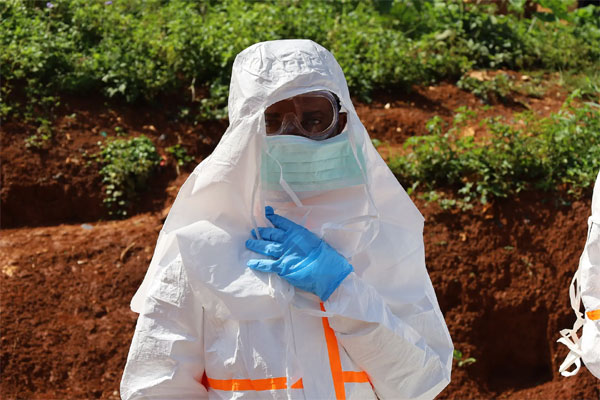
As part of the emergency preparedness plan, the BMC has designated Kasturba Hospital as the city’s primary isolation facility for suspected cases of viral haemorrhagic fever, including Ebola.
Kasturba Hospital, Mumbai’s specialised infectious diseases centre, has established a dedicated 10-bed isolation ward equipped to manage strict quarantine and infection-control protocols.
In addition, Cama Hospital has also created a separate eight-bed isolation unit as part of the city’s preparedness strategy.
Mumbai Deputy Mayor Sanjay Ghadi said the civic administration is fully prepared to deal with any emergency situation and urged citizens not to panic.
He stated that specialised arrangements have already been made at Kasturba Hospital and similar preparedness measures will soon be expanded to other hospitals across Mumbai.
The BMC has also instructed major civic-run medical institutions, including KEM Hospital, Sion Hospital, Nair Hospital, and Cooper Hospital, to activate readiness protocols and prepare medical teams for rapid response if required.
Meanwhile, the Maharashtra Association of Resident Doctors (MARD) has issued a formal advisory to healthcare workers outlining strict infection prevention and control guidelines.
The advisory emphasises rigorous hand hygiene practices, use of universal precautions during patient care, and strict adherence to biomedical waste disposal protocols to prevent accidental contamination.
Medical professionals have also been advised to remain alert while avoiding unnecessary panic among the public.
According to the advisory, Ebola does not spread through the air in normal community settings, unlike diseases such as COVID-19 or influenza. The virus primarily spreads through direct contact with infected blood, bodily fluids, or contaminated medical equipment and surfaces.
Officials stressed that the measures are preventive in nature and aimed at ensuring Mumbai’s healthcare system remains prepared in the event of any suspected case being detected.