Daijiworld Media Network - New Delhi
New Delhi, Aug 3: Continuing enteral nutrition (EN) before elective tracheostomy may be a safe alternative to routine pre-procedural fasting in critically ill patients, according to a prospective study that found no statistically significant increase in aspiration pneumonia among patients who remained on continuous feeding.
Pre-procedural fasting is widely practised before tracheostomy to reduce the perceived risk of aspiration. However, interrupting nutritional support can compromise calorie intake and metabolic stability in critically ill patients, raising questions about whether fasting is always required.
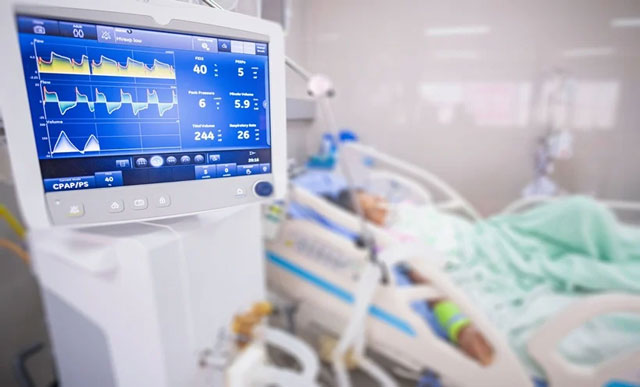
Researchers conducted a prospective observational study involving mechanically ventilated adults undergoing elective percutaneous tracheostomy in the intensive care unit of a tertiary hospital.
A total of 91 patients were included in the analysis. Of these, 45 continued receiving enteral nutrition until the procedure, while 46 followed the conventional fasting protocol.
The primary outcome assessed was the incidence of aspiration pneumonia within 72 hours after tracheostomy.
Aspiration pneumonia occurred in 6.7 per cent of patients who continued enteral feeding compared with 4.4 per cent in the fasting group. Although the incidence was slightly higher among patients who continued feeding, the difference was not statistically significant, and researchers noted that the wide confidence intervals indicated uncertainty in the findings.
The study found that baseline characteristics, disease severity and respiratory status were comparable between the two groups before the procedure.
After tracheostomy, patients in the fasting group required significantly higher inspired oxygen concentrations (FiO2), while other respiratory parameters and arterial blood gas measurements remained similar in both groups.
Researchers also observed that patients who continued enteral feeding showed greater improvement in arterial oxygen levels (PaO2) and maintained more stable lactate concentrations after the procedure, suggesting that uninterrupted nutritional support did not adversely affect physiological recovery.
No significant differences were found between the two groups in procedure-related complications, intensive care unit or hospital length of stay, or mortality.
The findings indicate that maintaining enteral nutrition before elective tracheostomy does not appear to compromise short-term clinical outcomes when passive nasogastric drainage is used.
However, the researchers cautioned that the study recorded relatively few aspiration events, limiting the precision of the results. They said clinically meaningful differences could not be ruled out and recommended larger, adequately powered prospective studies to determine whether routine fasting before tracheostomy is necessary and to help develop evidence-based nutritional protocols for critically ill patients.