Daijiworld Media Network – New Delhi
New Delhi, Jun 15: As India continues to grapple with one of the world’s largest diabetes burdens, doctors are reporting a growing incidence of orthopaedic complications linked to the disease, including frozen shoulder, trigger finger, nerve compression disorders and accelerated joint degeneration.
Medical experts warn that persistently high blood sugar levels can damage collagen, tendons, ligaments and nerves, leading to pain, stiffness and mobility issues that can significantly impact quality of life.
“We are increasingly seeing people in their 40s presenting with frozen shoulder, tendon problems and joint stiffness, conditions that were traditionally more common in older age groups. A major reason is the rising prevalence of diabetes and pre-diabetes at younger ages in India,” said Dr Skand Sinha, Professor at the Sports Injury Centre, VMMC and Safdarjung Hospital.
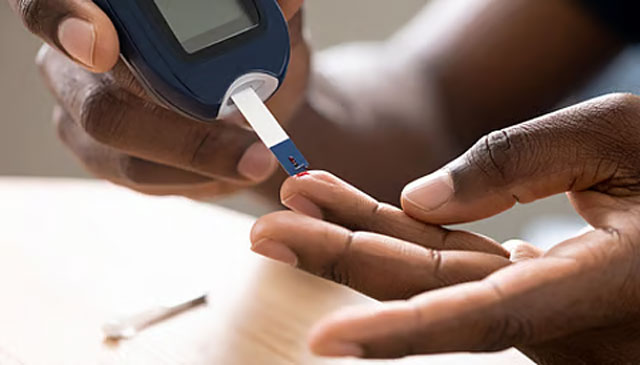
According to Dr Sinha, chronic high blood sugar promotes the formation of advanced glycation end products (AGEs), which accumulate in tendons and joint capsules, making them less elastic and more prone to degeneration and tears. Diabetes also narrows small blood vessels, reducing blood flow needed to maintain healthy tissues, particularly around the shoulder.
Doctors noted that greater awareness among physicians and routine screening for metabolic disorders have also contributed to earlier detection of diabetes-related musculoskeletal complications.
Dr Abhimanyu Kumar, Senior Consultant in Orthopaedics at Sitaram Bhartia Institute of Science and Research, said musculoskeletal complaints are increasingly becoming the first indication of diabetes in some patients.
“We often see patients coming with frozen shoulder, trigger finger, chronic tendon pain or unexplained joint stiffness, and subsequent investigations reveal previously undiagnosed or poorly controlled diabetes. In many cases, the orthopaedic complaint becomes the first warning sign of an underlying metabolic disorder,” he said.
Dr Kumar explained that diabetes accelerates ageing of connective tissues, with excess glucose causing collagen fibres to become thick, stiff and brittle. Reduced blood supply and chronic low-grade inflammation further increase the risk of tendon and joint disorders.
He also warned that poor glycaemic control can worsen orthopaedic conditions, accelerating cartilage damage, delaying tissue healing and increasing the likelihood of complications after fractures or surgery.
“Patients with diabetes are more likely to experience delayed bone healing, infections and prolonged recovery,” he said.
Dr Sinha added that tendon injuries in diabetic patients generally heal more slowly and less effectively than in non-diabetic individuals.
Dr Sarvesh Pandey, Joint Replacement and Arthroscopic Surgeon at Indraprastha Apollo Hospital, said frozen shoulder affects an estimated 10 to 30 per cent of people with diabetes, compared to just 2 to 3 per cent of the general population. Trigger finger is also significantly more common among diabetics.
He stressed the importance of early diagnosis, noting that many patients dismiss symptoms such as shoulder stiffness, finger locking or joint pain as age-related issues.
“Early evaluation can help detect underlying diabetes or poor glycaemic control and allow treatment before permanent tissue damage occurs,” he said.
Dr Pandey said diabetes is associated with several other orthopaedic complications, including diabetic hand syndrome, Dupuytren’s contracture and Charcot arthropathy, a serious condition in which nerve damage causes progressive destruction of joints, particularly in the feet and ankles.
He added that diabetes is also linked to osteoporosis, especially among people with Type 1 diabetes, and can accelerate osteoarthritis in individuals with Type 2 diabetes through metabolic and inflammatory changes.
Experts emphasised that maintaining good blood sugar control, undergoing regular foot examinations, maintaining a healthy weight and engaging in physiotherapy or range-of-motion exercises can help prevent disability and preserve mobility.
“People with diabetes should not ignore persistent shoulder pain, stiffness or weakness. Medical attention should be sought if shoulder pain lasts for more than six weeks, causes night-time discomfort, results in loss of strength, or is accompanied by swelling or redness,” Dr Sinha said.
Doctors noted that most diabetes-related orthopaedic conditions can be effectively managed if diagnosed early. Treatment options include physiotherapy, targeted exercise programmes, ultrasound-guided hydro-dissection, growth factor concentrate injections and, in selected cases, arthroscopic surgery.
“Advances in orthopaedic care have significantly improved outcomes for patients with diabetes-related shoulder disorders,” Dr Sinha added.