Daijiworld Media Network - Colombo
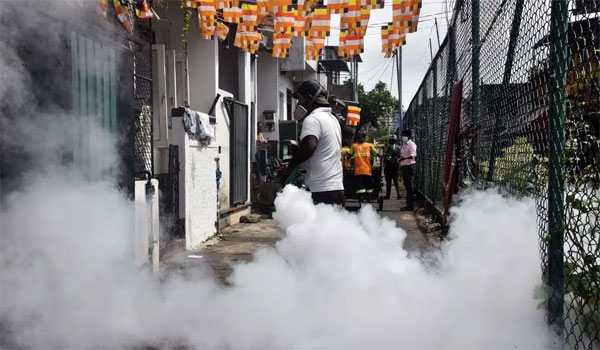
Colombo, Jun 15: Sri Lankan health authorities have launched a nationwide dengue prevention campaign after officials warned that a new strain of the virus circulating in the country could accelerate transmission and expose a larger section of the population to infection.
Deputy Minister of Health Hansaka Wijemuni said on Monday that the newly detected variant carries several differences compared to strains previously found in Sri Lanka, raising concerns among health experts.
He explained that many people may have little or no prior immunity to the new strain, making them more susceptible to contracting the disease.
According to official figures, Sri Lanka has recorded 41,144 dengue cases so far this year, with 24 deaths reported, including four children.
In response to the growing threat, the government has launched a Special Dengue Prevention Week from June 15 to June 20, aimed at eliminating mosquito breeding grounds and reducing infections nationwide.
The campaign will be carried out in phases, targeting different sectors each day.
From June 15 to 17, authorities will focus on inspecting and cleaning public spaces across the country.
On June 18, efforts will shift to educational institutions, including schools, preschools, private schools and other facilities attended by children.
June 19 has been designated for inspections at public and private workplaces, while June 20 will be dedicated to cleaning residential areas and surrounding environments.
Wijemuni said health authorities had anticipated a cyclical rise in dengue cases and had prepared measures in advance to deal with the situation.
He stressed that the government's strategy centres on reducing mosquito populations and ensuring patients receive timely medical treatment before their conditions become severe.
The Deputy Minister also appealed to citizens to actively participate in prevention efforts by eliminating stagnant water and other mosquito breeding sites around their homes and communities.
He emphasised that government intervention alone would not be enough to control the spread of the disease.
Authorities warned that maintaining environments that facilitate mosquito breeding is a punishable offence under Sri Lankan law.
Officials said legal action would be taken against individuals and establishments that fail to comply with hygiene regulations.
Construction sites will receive special scrutiny during the campaign, with police warning that authorities could seek court orders to halt operations at sites found to pose serious public health risks.
Meanwhile, the National Dengue Control Unit has urged the public to inspect and clean areas in and around their homes that could serve as breeding grounds for mosquitoes.
Health officials have also advised residents to seek immediate medical attention if they develop fever symptoms, as early diagnosis and treatment can significantly reduce the risk of severe complications.