Daijiworld Media Network - Xi'an
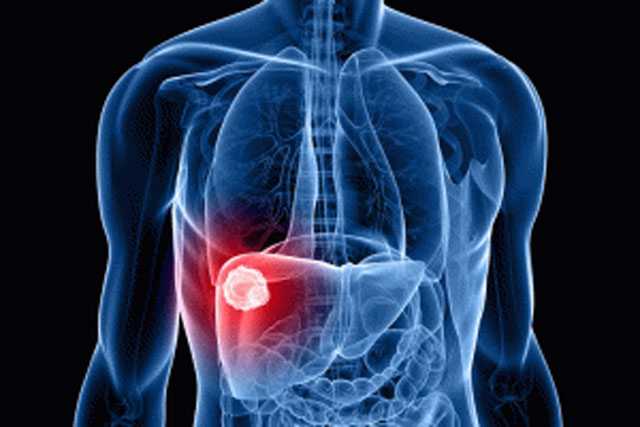
Xi'an, Jun 21: A new study has identified a key driver behind liver cancer progression, revealing that a mitochondrial protein may play a crucial role in altering how cancer cells store and use glycogen for energy.
The findings suggest that changes in glycogen metabolism are not just a result of tumour growth but may actively fuel the development and progression of hepatocellular carcinoma (HCC), the most common form of primary liver cancer.
Researchers said the discovery highlights a previously overlooked metabolic pathway in cancer development and could lead to new therapeutic strategies, especially for patients with limited treatment options.
The study identified AKAP1 as a major regulator of glycogen-driven liver cancer progression. Using liver-specific AKAP1 depletion and overexpression mouse models, researchers found that reducing AKAP1 levels lowered liver glycogen content and suppressed HCC development, while increased AKAP1 expression promoted glycogen accumulation and spontaneous liver tumour formation.
The research showed that AKAP1 encourages liver cancer growth by activating an RNA modification pathway involving YTH proteins, which influences mRNA breakdown. This process is driven by AKAP1-dependent phosphorylation signalling through PKA, ultimately leading to increased glycogen storage and tumour growth.
Researchers also found that AKAP1 expression in HCC cells is controlled by Myc-associated zinc-finger protein (MAZ), a factor involved in gene regulation.
In further experiments, scientists used a competitive peptide inhibitor to block AKAP1’s mitochondrial activity. The treatment reduced glycogen levels and slowed tumour development in preclinical HCC models without causing noticeable toxicity.
The study positions AKAP1 as a potential therapeutic target for liver cancer by showing that disrupting metabolic changes that support tumour energy supply could help control cancer progression.
Researchers noted that while the findings are based on preclinical studies, targeting glycogen metabolism and related pathways may open new possibilities for more precise treatments for hepatocellular carcinoma in the future.