Daijiworld Media Network - New Delhi
New Delhi, Oct 31: A flight of stairs can reveal a great deal about a person's physical strength. If the legs feel less steady or getting up from a chair becomes more difficult, declining muscle strength could be one of the reasons.
An age-related condition known as sarcopenia involves the loss of muscle mass and strength. However, a new study suggests that this muscle loss may not affect all parts of the body equally, with the legs showing a greater deficit than the arms or trunk.
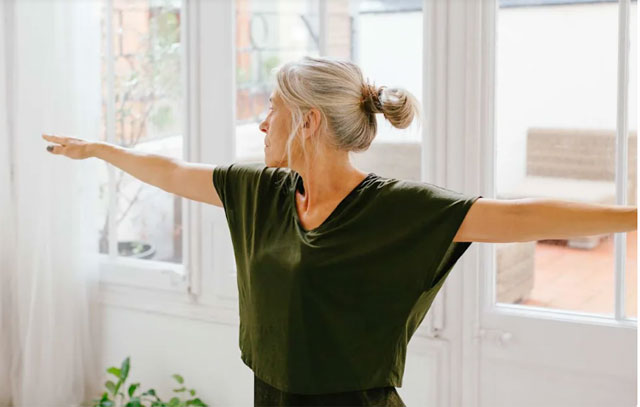
The findings highlight the importance of maintaining lower-body strength to preserve mobility and independence as people grow older.
About the study
Researchers examined 231 hospitalised adults aged 60 and above, including 60 diagnosed with sarcopenia.
The condition involves a decline in muscle mass and strength, which can affect physical function and make everyday activities more difficult.
Participants were assessed using standard criteria that considered muscle mass, grip strength and physical performance, including walking speed.
Researchers then used a body composition device to measure muscle mass in the arms, legs and trunk, comparing its distribution among participants with and without sarcopenia.
Legs show greater muscle deficit
Among participants without sarcopenia, muscle mass was distributed relatively evenly across the arms, legs and trunk.
However, those with sarcopenia had significantly less relative muscle mass in their legs compared with their arms and trunk.
The pattern remained even after researchers accounted for other health factors and differences in fluid distribution, which can influence body composition measurements.
The findings suggest that muscle loss associated with sarcopenia may be more pronounced in the lower body rather than affecting all regions equally.
However, the study assessed muscle distribution at a single point in time and therefore cannot establish how muscle loss develops. It is also unclear whether the same pattern applies to older adults generally, as the participants were hospitalised and may not represent healthier people living independently.
Why leg muscle matters for healthy ageing
The legs play a crucial role in everyday activities, including walking, climbing stairs, standing up from a chair and maintaining balance.
When leg muscles weaken, these activities can become increasingly difficult, potentially limiting mobility and raising the risk of falls.
Illness, hospitalisation, joint pain and prolonged periods of sitting can further reduce the use of leg muscles, making it harder to maintain strength.
This highlights why muscle health is not just about the overall amount of muscle in the body. Where muscle is maintained also matters, particularly when it comes to remaining active and independent with age.
How to keep leg muscles strong
Maintaining lower-body strength does not necessarily require an elaborate exercise routine. A few practical habits can help keep these muscles active.
Practise sit-to-stands: Stand up from a sturdy chair and sit back down in a controlled manner. Use your hands for support if necessary and gradually reduce assistance as strength improves.
Include squats and other lower-body exercises: Choose movements suited to your fitness level and mobility. A physical therapist or qualified trainer can help identify safe exercises if you experience pain, balance problems or limited mobility.
Make strength training a regular habit: Aim to exercise major muscle groups, including the legs, at least twice a week, adjusting the intensity according to your abilities and health needs.
Pay attention to changes in mobility: New weakness, slower walking or increasing difficulty climbing stairs and standing up should not be ignored. A healthcare professional can assess muscle strength and physical function and help identify possible causes.
The takeaway
Strong legs are essential for maintaining independence, from running everyday errands to moving around without assistance.
Since sarcopenia may affect leg muscles disproportionately, lower-body strength deserves particular attention as part of a fitness routine during ageing.