Daijiworld Media Network – Jerusalem
Jerusalem, Jul 23: Several Israeli cities have opened public bomb shelters and heightened civil defence measures after the United States intensified its military strikes on Iran, amid growing fears of retaliatory missile attacks and a wider regional conflict.
Authorities in Ramat Gan, near Tel Aviv, announced the opening of all public bomb shelters, saying the threat of Iranian missile attacks could no longer be considered negligible. Residents have been urged to stay alert, monitor Home Front Command advisories and be prepared to seek immediate shelter if warning sirens are activated.
The heightened alert follows a fresh wave of US airstrikes on Iranian military targets. According to reports, American forces carried out overnight attacks using long-range bombers based in the United Kingdom, marking another significant escalation in Washington's military campaign against Tehran.
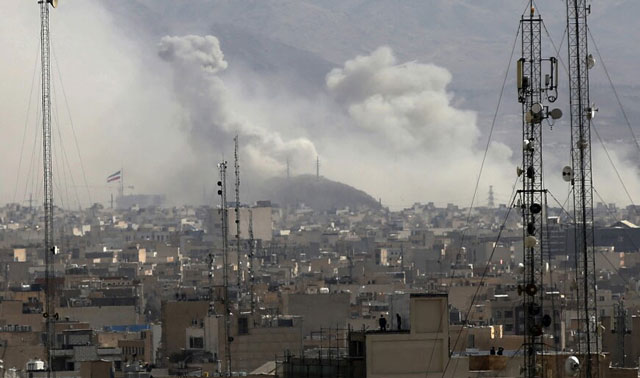
Iran has responded by warning of retaliation against US and allied interests across the region. Reports indicate that Iranian forces have expanded their retaliatory operations beyond Israel, targeting strategic locations in neighbouring countries and increasing concerns over a broader Middle East conflict.
Israeli security officials said they were closely monitoring developments and coordinating with the military to ensure civilian preparedness. Local authorities have reviewed emergency response plans, while municipalities in high-risk areas have reinforced public safety measures amid fears that Iran could launch ballistic missiles or drones towards Israeli territory.
Israel's Home Front Command has continued issuing preparedness guidelines, advising residents to remain near protected spaces and follow official instructions in the event of incoming missile alerts. The country's multi-layered missile defence network, including the Iron Dome, David's Sling and Arrow systems, remains on high alert to intercept potential attacks.
The latest escalation comes after months of intensifying hostilities between Iran, Israel and the United States. While international leaders have repeatedly called for restraint and renewed diplomatic efforts, military operations have continued, raising concerns about the possibility of a prolonged regional war with significant humanitarian and geopolitical consequences.