Daijiworld Media Network - New Delhi
New Delhi, Aug 1: People hospitalised with severe infections may face a significantly higher risk of developing psychiatric and neurological disorders for up to two years after recovery, according to a large study published in JAMA Psychiatry.
The researchers analysed electronic health records from more than one million matched patient pairs across 62 healthcare organisations in the United States to examine the long-term health effects of serious infections.
The study found that patients who had been hospitalised with severe infections were more likely to develop a range of psychiatric and neurological conditions than those without such infections.
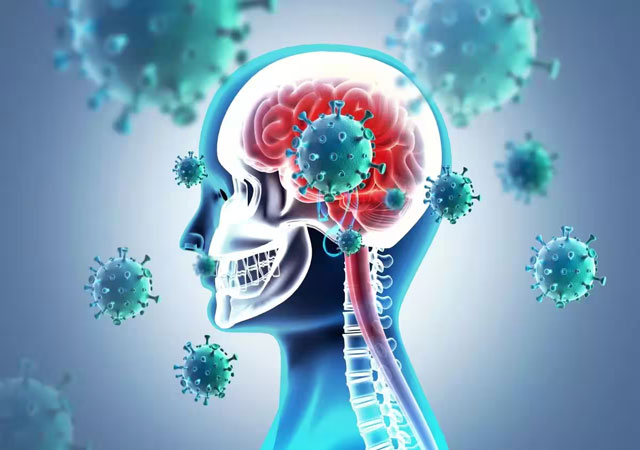
These included anxiety disorders, mood disorders, psychosis, insomnia, cognitive impairment, dementia, stroke, seizures and peripheral nerve disorders.
Among the conditions studied, encephalitis showed the greatest relative increase in risk, while cognitive impairment accounted for the highest number of additional cases.
According to the findings, adults experienced a greater increase in risk than children, although paediatric patients also showed an elevated likelihood of developing psychiatric and neurological complications following severe infections.
The researchers said the results highlight the importance of continued medical monitoring even after patients recover from serious infections.
They noted that early identification of mental health and neurological problems could enable timely treatment and improve long-term patient outcomes.
However, the authors cautioned that the study demonstrates an association rather than a direct cause-and-effect relationship. They said further research is needed to better understand the biological mechanisms that may link severe infections with the subsequent development of psychiatric and neurological disorders.