Daijiworld Media Network - New Delhi
New Delhi, Aug 16: Every day, kidney specialists encounter two common questions from patients — “Doctor, I never knew my kidneys were failing,” and “Doctor, is my life over now that I need dialysis?” The answer to both, experts say, is no.
Kidney disease remains one of the few conditions where the seriousness of the illness exists alongside remarkable advances in treatment. The disease can remain silent for years, but modern medicine has progressed to the point where even patients once considered unsuitable for transplantation can now have another chance at life.
Kidney care today is no longer limited to dialysis. Prevention, advanced treatment techniques and transplantation are increasingly helping patients regain independence and improve their quality of life.
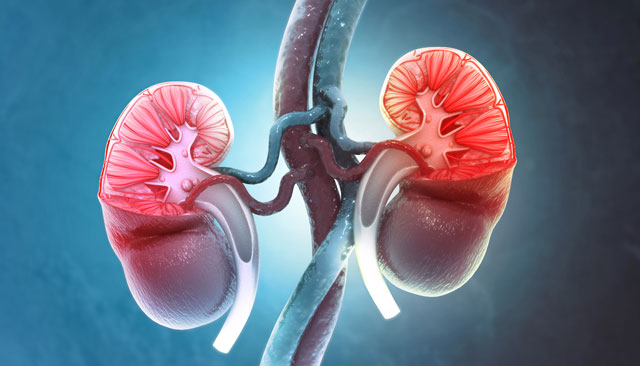
The kidneys work continuously, filtering nearly 180 litres of blood every day. Yet most people become aware of their importance only when kidney function begins to decline. A significant proportion of patients who eventually require dialysis develop kidney failure because of diabetes or high blood pressure, both of which can often be controlled with proper treatment and lifestyle changes.
Regular physical activity, a balanced diet, reduced salt intake and good control of diabetes and blood pressure remain fundamental to kidney health. Avoiding unnecessary painkillers and undergoing routine health checks can also help prevent or detect kidney disease early.
A simple urine examination and a blood creatinine test can identify kidney problems years before symptoms become apparent. No dialysis machine, however advanced, can replace the benefits of healthy kidneys protected through good lifestyle habits.
Dialysis as a bridge to life
For many patients, the word dialysis still evokes images of hospital beds, dependence and an uncertain future. However, modern dialysis has changed considerably and is increasingly focused not merely on survival but on helping patients maintain an active life.
Many people undergoing dialysis continue to work, travel, attend family functions and pursue their careers. Advances in treatment have helped transform dialysis from simply a life-saving intervention into a form of long-term supportive care that can allow patients to remain productive and independent.
Hemodiafiltration offers improved toxin removal
One of the significant developments in kidney care over the past decade has been hemodiafiltration, or HDF.
Unlike conventional dialysis, HDF combines two purification techniques and can remove certain toxins more effectively. For appropriately selected patients, improved toxin clearance can potentially translate into less post-treatment fatigue, better blood pressure management, cardiovascular benefits, fewer complications and improved quality of life.
Peritoneal dialysis brings treatment home
Dialysis does not necessarily require patients to travel to a centre several times a week. Peritoneal dialysis uses the body's own abdominal membrane as a filtering surface and can be performed at home.
Many patients undergo the treatment overnight while sleeping, allowing them to continue with work, education and family responsibilities during the day. The approach can be particularly useful for children, elderly patients, working professionals and those living far from dialysis centres.
For such patients, dialysis no longer necessarily means spending their lives within hospital walls.
Transplantation can restore independence
If dialysis is a bridge, kidney transplantation is often the preferred long-term destination for eligible patients. A successful transplant can provide greater independence, longer survival and an improved quality of life, while reducing the restrictions associated with dialysis.
One of the biggest changes in transplantation has been the expansion of options for patients who were previously told that a transplant was not possible.
Blood group incompatibility no longer ends the discussion
For decades, incompatible blood groups often brought transplant discussions to an end. Advances in transplantation medicine have changed that situation.
ABO-incompatible kidney transplantation can now be performed using techniques such as antibody removal, plasma exchange, intravenous immunoglobulin, rituximab and carefully managed immunosuppressive protocols.
This means that in selected cases, family members with different blood groups can still donate kidneys to their loved ones, provided the patient and donor meet the necessary medical criteria.
Swap transplantation expands donor options
Sometimes the solution to an incompatible kidney transplant is cooperation between families.
In kidney paired donation, also known as swap transplantation, two families with willing donors who are incompatible with their intended recipients can exchange donors. Each recipient then receives a compatible kidney from the other family.
Such programmes are increasingly enabling two-way, three-way and more complex exchanges in India, offering transplantation opportunities to patients who might otherwise remain dependent on dialysis.
Second and third transplants becoming possible
Patients who have already undergone a transplant can present an especially difficult challenge. Previous transplants, blood transfusions or pregnancies can cause the immune system to develop antibodies against donor kidneys. Such highly sensitised patients have historically faced difficulty finding compatible organs and could remain on dialysis for years.
Modern testing can identify these antibodies with much greater precision, while desensitisation therapies can reduce their impact in carefully selected patients.
Another emerging area is cellular immunotherapy using CAR-T cell technology. Initially developed for certain blood cancers, CAR-T therapy is now being investigated for its potential role in transplantation.
Researchers are exploring whether the technology can selectively eliminate immune cells responsible for producing harmful antibodies, potentially making transplantation possible for some patients who were previously considered extremely difficult to transplant.
India has already entered the CAR-T era for approved cancer treatments, while research continues into how similar cellular technologies could eventually be applied to transplantation.
The future of kidney care
The future of nephrology is unlikely to be defined by dialysis machines alone. Artificial intelligence, molecular tissue matching, wearable health technology, home-based dialysis, precision immunology, regenerative medicine, xenotransplantation and advanced cellular therapies are expected to play increasingly important roles.
The central message for patients, however, remains simple: kidney disease does not automatically mean the end of an active life. Early detection and prevention remain the most powerful tools, while advances in dialysis and transplantation are giving more patients opportunities to live longer, healthier and more independent lives.