Daijiworld Media Network - Tehran
Tehran, Aug 26: At least three Indian oil refiners and a major global energy company plan to stop using vessels placed on Iran's new blacklist, including for ship-to-ship (STS) oil transfers, amid growing security and compliance concerns, according to four sources familiar with the matter.
Iran on Sunday released a blacklist of 45 vessels that it accused of violating its rules for crossing the Strait of Hormuz. Tehran warned that it would take action against other vessels conducting cargo transfers with the blacklisted ships, escalating pressure over the strategically vital waterway six months into the US-Israeli war on Iran.
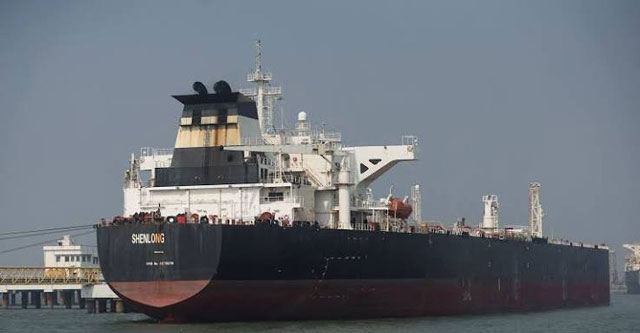
The move could disrupt the so-called shuttle runs operated by Gulf oil producers, including Saudi Arabia and the United Arab Emirates, under which dedicated tankers transport crude, refined products and liquefied natural gas through the Strait of Hormuz before transferring the cargo to other vessels through STS operations in the Gulf of Oman.
These shuttle operations have helped maintain oil flows from West Asia after Iran tightened restrictions on shipping through the Strait following the outbreak of the war.
The vessels named on the blacklist could face fines, detention and cargo confiscation, according to a post on X by the Persian Gulf Strait Authority, a new body established by Iran to oversee management of the waterway.
"We will avoid our chartered vessels dealing or STS or anything to do with non-compliant ships for Middle Eastern cargoes," a source working at an Indian refinery said.
The sources declined to be identified because of the sensitivity of the issue.
Several of the tankers on Iran's list are owned or chartered by Saudi Aramco and Abu Dhabi National Oil Company (ADNOC). Shipping data shows that the vessels have been used to transport crude oil, refined petroleum products and LNG from the Gulf for STS transfers off Fujairah in the UAE and Sohar in Oman.
Saudi Aramco and ADNOC declined to comment.
Ana Subasic, a trade risk analyst at ship-tracking firm Kpler, said buyers that are particularly sensitive to compliance requirements are likely to avoid the blacklisted vessels. However, she said the trade itself is more likely to shift to alternative vessels, counterparties or transfer locations rather than stop altogether.
Several charterers and shipping companies are also discussing whether to continue their STS operations and are assessing the implications of Iran's warning, according to other trade and shipping sources.
One Gulf crude buyer said it would be safer to purchase oil on a delivered basis, with the cargo shipped directly to its final destination, instead of buying it on a free-on-board basis at STS locations in the Gulf of Oman.
"Our internal departments are still in discussion on how to proceed with crude deliveries from the Strait of Hormuz via ship-to-ship transfers in the long term," Formosa Petrochemical Corp President KY Lin said.
Iran has previously attacked several tankers, including the Wedyan, Mombasa B and Al Bahyah, adding to concerns among shipowners and energy companies operating around the Strait.
The blacklist has also raised concerns about vessels attempting to conceal their movements. Two of the 12 very large crude carriers (VLCCs) listed by Iran stopped transmitting their locations through automatic identification systems (AIS) by Tuesday, a day after the blacklist was issued. The remaining vessels had already switched off their AIS transponders weeks earlier.
"The key issue is contagion," Subasic said.
"If Iran follows through on threats to penalise vessels that conduct STS transfers with blacklisted tankers, that should narrow the pool of willing shipowners, charterers and buyers, particularly among firms with material Gulf exposure, while increasing due-diligence requirements and potentially freight, insurance and risk premia," she said.
The Strait of Hormuz is a crucial route for global energy supplies, carrying a significant share of the world's oil, petroleum products and LNG. Any sustained disruption or further restrictions on shipping could therefore increase transportation costs and put additional pressure on global energy markets.
The latest Iranian warning is expected to make energy companies and shipping operators more cautious about STS transfers in and around the Gulf of Oman, while potentially prompting them to seek alternative vessels and routes.