Daijiworld Media Network - East Jerusalem
East Jerusalem, Sep 1: The academic year in occupied East Jerusalem began on Tuesday with teachers at private and Christian schools launching an indefinite strike over what they described as Israeli interference in Palestinian education, including efforts to impose the Israeli curriculum.
All new first- and seventh-grade classes at Palestinian-majority municipal schools in East Jerusalem have reportedly been instructed to use the Israeli curriculum exclusively this year. Entry permits for teachers from the occupied West Bank to work in East Jerusalem schools have also been blocked by Israeli authorities, according to reports.
The developments mean more than 45,000 Palestinian students, or around one in three Palestinian schoolchildren in occupied East Jerusalem, are expected to be enrolled in the Israeli educational programme. This represents an almost fourfold increase compared with six years ago.
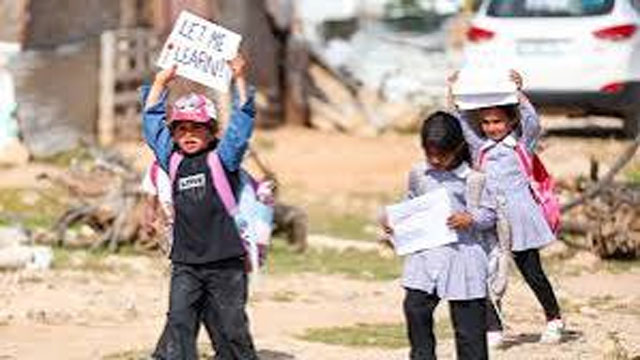
Jerusalem Governorate spokesman Marouf al-Rifai described the forced integration of the Israeli curriculum into Palestinian schools as a cultural and educational crime. He said adherence to the Palestinian curriculum represented a defence of Palestinian memory, identity, history and the community's right to determine its own national narrative.
The education crisis has also been aggravated by the refusal to renew entry permits for teachers and other staff from the West Bank. The General Secretariat for Christian Educational Institutions in Jerusalem announced an indefinite strike after more than 70 teachers and employees reportedly failed to receive renewed permits.
The organisation said the absence of the staff had affected educational, administrative, health, cleaning and security services and made it difficult to ensure a safe and stable start to the academic year.
Sylvia Amer, deputy director for academic and administrative affairs at College des Freres Jerusalem, said the sudden reversal of permits, just days before schools were scheduled to reopen, had forced classes to be suspended.
Amer said authorities had previously confirmed in June that permits would be available for teaching, administrative and other staff. She warned that continued restrictions could gradually undermine the independence and educational and cultural identity of the schools.
Palestinian schools have already been facing a serious shortage of teachers because of restrictions preventing West Bank educators from reaching East Jerusalem.
The staffing crisis has also been compounded by Israeli legislation passed earlier this year that prohibits the employment of teachers holding academic degrees from Palestinian Authority institutions within the Israeli educational system. According to reports, around 60 per cent of the 6,700 Arab educators in East Jerusalem hold degrees from Palestinian institutions.
Mike Bassam Farraj, general director of Greek Orthodox Patriarchate Schools, described the permit restrictions and legislative measures as systematic pressure on Christian and private schools in Jerusalem.
He also alleged that budgetary allocations were being used to encourage schools to adopt the Israeli Bagrut curriculum, with greater funding and facilities offered to institutions that comply.
Farraj said Christian and private schools were relying on legal action to challenge restrictions and protect the rights of their graduates and staff.
Israeli forces have also recently seized educational compounds formerly operated by the United Nations Relief and Works Agency for Palestine Refugees (UNRWA) in Shu'fat refugee camp and Kafr Aqab, with Israeli-administered facilities expected to replace them.
Palestinian officials and Hamas have condemned the education policies, arguing that attempts to impose the Israeli curriculum threaten Palestinian identity in Jerusalem.
East Jerusalem, along with the West Bank, has been under Israeli occupation since 1967. The dispute over education and curriculum has become another point of contention between Palestinian institutions and Israeli authorities over control, identity and the future of the city's Palestinian community.