Daijiworld Media Network - Kinshasa
Kinshasa, Sep 10: The Ebola outbreak in the Democratic Republic of Congo (DRC) has spread to 61 health zones across six provinces, with the World Health Organization (WHO) warning that transmission remains uneven, with some areas reporting declines while others are witnessing increasing infections and deaths in communities.
The outbreak involves the Bundibugyo species of Ebola and has spread beyond its initial epicentre in Bunia in northeastern DRC. The rapid geographic expansion has prompted authorities to adopt a more decentralised response, including establishing treatment centres closer to affected communities.
According to WHO officials, the outbreak has infected more than 6,000 people and killed more than 3,000, making it the worst Ebola outbreak recorded in the country. Nearly 1,400 treatment beds have been established across 59 treatment centres, but authorities estimate that another 1,600 beds are required.
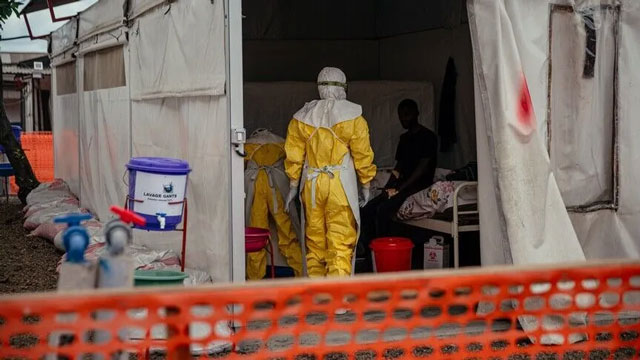
The response is also facing a serious shortage of trained health workers. WHO officials said around 9,000 health workers are needed for the response, while roughly 5,000 additional personnel are still required.
Limited contact tracing is another major concern. An Associated Press report said only about 19% of an estimated 97,600 contacts had been traced, hampering efforts to identify and isolate people who may have been exposed to the virus.
Health authorities are also struggling with inadequate treatment and isolation capacity, limited laboratory testing and difficulties in carrying out safe burials. Many patients are reportedly dying outside official Ebola treatment facilities, while resistance to safe burial procedures and attacks on burial teams have further complicated containment efforts.
The outbreak has been aggravated by insecurity, population displacement and heavy movement of people across affected areas. Some health zones remain difficult to access, making surveillance and contact tracing particularly challenging.
WHO has also warned that shortages of operational partners and funding are creating bottlenecks in expanding the response. The agency has called for increased international support for a $1.3-billion Ebola response plan covering the next six months.
The rare Bundibugyo strain presents an additional challenge because approved vaccines and treatments specifically targeting the strain remain limited. Although emergency vaccination efforts are being explored, the effectiveness of existing Ebola vaccines against this strain remains uncertain.
Health authorities are therefore increasing community-level engagement and shifting towards a village-centred approach, while expanding treatment capacity and surveillance in newly affected areas.
The latest spread has raised concerns that the outbreak could continue to grow unless contact tracing, treatment capacity, community cooperation, trained personnel and funding are significantly strengthened.