Daijiworld Media Network - Geneva
Geneva, Oct 8: The World Health Organization (WHO) has issued its first global guidelines on child and adolescent obesity, warning that obesity among youngsters aged 5 to 19 has quadrupled since 1990.
According to WHO, the prevalence increased from around 2% in 1990 to about 8% in recent years. In 2024, an estimated 170 million children and adolescents were living with obesity, including around 70 million children aged 5 to 9 and 100 million adolescents up to the age of 19.
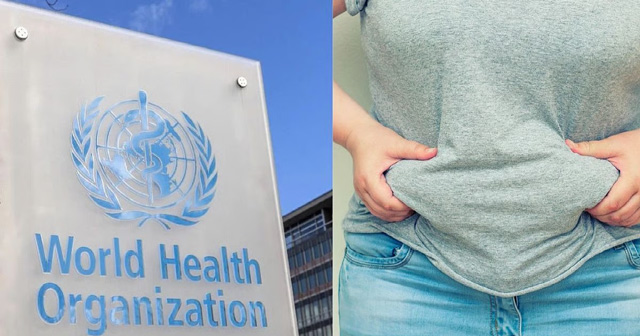
WHO describes obesity as a chronic, relapsing disease caused by excessive fat accumulation and stresses that effective care can help manage the condition.
The agency said children and adolescents living with obesity face an increased risk of health problems including type 2 diabetes and cardiovascular disease. They may also experience bullying, discrimination and other forms of stigma that can affect their mental health and overall well-being.
Under its new recommendations, WHO has called for dietary changes, increased physical activity and behaviour-changing interventions as key components of obesity care. It stressed that treatment should be tailored to the individual needs of each child and include long-term follow-up.
WHO also highlighted the need to address mental health alongside physical health. Anxiety, depression, low self-esteem and emotional difficulties can contribute to unhealthy eating, physical inactivity and social withdrawal, while stigma and bullying can further affect the emotional well-being of children with obesity.
The guidelines also set limits on the use of medicines and surgical procedures. For children aged 0 to 9, WHO does not recommend pharmacological treatment, bariatric surgery or weight-loss devices for obesity.
For adolescents aged 10 to 19, approved medicines, including GLP-1 therapies, may be considered only when a supervised lifestyle programme has not been successful. Bariatric surgery may also be considered for adolescents with severe obesity under strict conditions.
WHO said treatment alone cannot reverse global obesity trends and called for wider policy measures to make healthy diets and physical activity more accessible and affordable.
The agency urged governments to consider regulatory and fiscal measures and coordinated action across sectors including education, urban planning, transport and social protection.
WHO also stressed that every child and adolescent should have access to quality obesity care and supportive environments from an early age.