Daijiworld Media Network - New Delhi
New Delhi, Oct 16: Repeated protests in the national capital have affected business activities in prominent commercial areas, including Khan Market and Connaught Place, with traders reporting declining customer footfall and mounting financial losses during the festive season.
The Khan Market Association has approached the Supreme Court seeking intervention over the repeated demonstrations, stating that disruptions and security restrictions are affecting businesses and threatening livelihoods. The association has also written to Prime Minister Narendra Modi, urging that traders' concerns be taken into consideration.
According to the association, Khan Market is suffering estimated losses of around Rs 50 crore a day as customers avoid the area amid concerns over protests and restrictions. Some establishments reportedly pay daily rents of up to Rs 3 lakh, adding to the financial pressure caused by declining business.
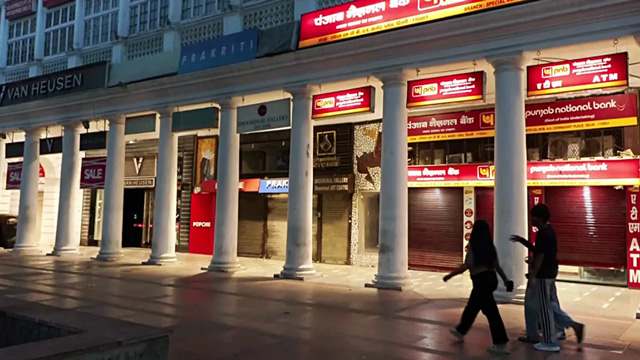
In Connaught Place, traders have reported a significant drop in sales due to barricades, security restrictions and concerns about access to the commercial hub. The area has around 2,000 shops across its inner, middle and outer circles, alongside offices, cafes and other businesses. Nearby Palika Bazaar has approximately 300 underground shops, while Shankar Market has around 200 shops.
The closure of Central Park in Connaught Place on October 16 and 17 ahead of the Cockroach Janta Party's (CJP) 'Lehra Do Tiranga' march has further raised concerns among traders, who fear that the restrictions will keep customers away and lead to additional losses.
The New Delhi Traders Association is also scheduled to hold a press conference to highlight the impact of recent CJP and Congress protests on commercial activities.
Shopkeepers in Connaught Place said the perception that the area was blocked or difficult to access had discouraged people from visiting. Vinod Kumar, who runs a store in the area, said customers were increasingly reluctant to come to the market because they believed access had been restricted due to the protests.
A store manager said business had fallen to around 20 to 25 per cent of normal levels, raising concerns about meeting employee salary commitments and other operating expenses.
Jewellery retailers said customers were avoiding the area due to fears of getting caught in confrontations or facing difficulties entering and leaving the commercial district. Clothing retailers also reported weak business, with one store owner pointing out that the establishment had been shut on October 10.
Traders said the impact extended beyond reduced daily sales, affecting employees' wages, business expenses and the survival of smaller establishments. They warned that continued disruptions could further affect commercial activity if customers remained reluctant to visit the markets.