Daijiworld Media Network - New York
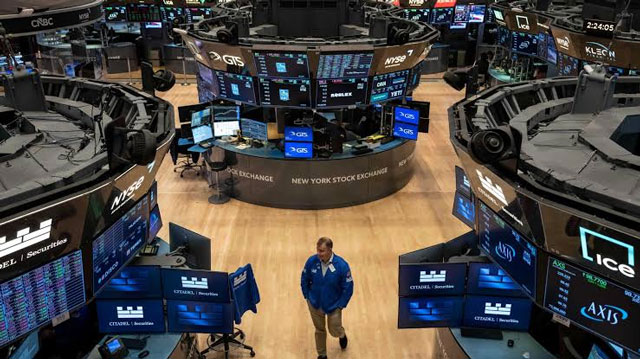
New York, Oct 30: Growing concerns over the enormous cost of artificial intelligence (AI) infrastructure investments have rattled Wall Street, with disappointing earnings and cautious forecasts from Amazon and Intel triggering fresh sell-offs in technology stocks.
The latest results, released after Thursday's market close, highlighted how the global AI infrastructure race is putting pressure not only on technology companies' finances but also on consumers, as rising memory chip costs and expensive electronic devices weigh on demand.
Amazon's massive spending on data centres and AI infrastructure has significantly affected its cash flow, raising concerns among investors about the sustainability of its investment strategy. The company reported a negative free cash flow of $42.4 billion over the 12 months ending September, compared with positive free cash flow of $14.8 billion a year earlier.
The e-commerce and cloud computing giant expects capital expenditure of approximately $220 billion in 2026, reflecting its aggressive expansion of AI infrastructure.
Amazon forecast fourth-quarter revenue between $240 billion and $247 billion, with the midpoint falling below Wall Street expectations of around $244.5 billion. The cautious outlook raised concerns about consumer spending during the crucial holiday shopping season amid persistent inflationary pressures.
However, its cloud computing division, Amazon Web Services (AWS), delivered strong performance, with revenue rising 39 per cent to $46 billion, marking its fastest growth in nearly five years.
Amazon shares fell nearly seven per cent in after-hours trading following the announcement.
The pressure on technology companies has extended beyond Amazon. Alphabet and Meta Platforms have also faced growing cash-flow pressures due to heavy investments in AI infrastructure, while Microsoft joined the borrowing trend with a $25-billion debt sale on Thursday to support its spending requirements.
Although major technology companies have substantial financial resources, investors are increasingly concerned about smaller AI cloud infrastructure providers that are borrowing heavily to fulfil large customer order backlogs.
Shares of AI cloud companies CoreWeave, Nebius and Iren declined between 5.8 per cent and 6.7 per cent in after-hours trading. Alphabet, which had already plunged nearly 13 per cent during regular trading, lost another 1.5 per cent after the market closed.
Intel's disappointing outlook added to the negative sentiment across the semiconductor industry. The chipmaker warned of continued weakness in the personal computer (PC) market, where rising memory prices have increased manufacturing costs and affected consumer demand.
Intel forecast fourth-quarter revenue of $15 billion to $16 billion, significantly below analysts' expectations of approximately $17.07 billion. The company also warned that the PC market slowdown could continue through the first half of 2027.
Its PC chip business recorded a five per cent decline in revenue to $8.10 billion during the September quarter, missing market expectations.
Intel also disclosed that an explosion at its manufacturing facility in Kiryat Gat, Israel, earlier in October had disrupted production for approximately two weeks. The incident is expected to result in an estimated $600 million revenue impact across the fourth quarter of 2026 and the first quarter of 2027.
The company said it was assessing the damage and determining which semiconductor wafers could be recovered for production.
Intel shares had already faced significant pressure during regular trading and continued to decline following the results. The weak outlook also dragged down other semiconductor stocks, with Advanced Micro Devices (AMD) falling four per cent and Broadcom declining two per cent in after-hours trading.
Shares of computer manufacturers HP and Dell also dropped eight per cent and 6.8 per cent respectively, reflecting concerns over higher component costs and weakening demand for personal computers.
The semiconductor sector has enjoyed a strong rally in 2026, driven by unprecedented demand for chips and equipment required to build AI data centres. The Philadelphia Semiconductor Index (SOX) had gained more than 60 per cent this year at its peak, benefiting major players such as Nvidia, Micron Technology and Marvell Technology.
However, the rally has faced growing challenges over the past month as financing conditions have tightened and investors have become more cautious about the enormous capital requirements of AI infrastructure projects.
The semiconductor index has declined approximately 13 per cent from its October peak and remained about 21 per cent below its all-time high recorded in June.
Tighter financing conditions have also delayed some anticipated initial public offerings (IPOs) and increased pressure on highly leveraged companies involved in building AI infrastructure.
Market analysts said Intel's difficulties in the traditional PC business should not necessarily be interpreted as a sign of similar weakness across all semiconductor companies, particularly those benefiting directly from AI-related demand.
Nevertheless, the latest developments have heightened concerns that the enormous investments being made in AI may not generate returns quickly enough to satisfy investors.
Kim Caughey Forrest, founder and chief investment officer of Bokeh Capital Partners, said Intel's revenue shortfall and disappointing guidance reflected weaker PC demand, adding that investors were increasingly focused on actual earnings rather than expectations surrounding the technology sector.
Jake Dollarhide, chief executive officer of Longbow Asset Management, said Intel had attracted considerable retail investor interest following its remarkable stock recovery, but warned that such enthusiasm could quickly reverse when market sentiment changes.
The latest sell-off highlights a growing divide on Wall Street between enthusiasm for AI's long-term potential and concerns over the immediate financial burden of building the infrastructure needed to support it.