Daijiworld Media Network - Washington
Washington, Nov 6: US President Donald Trump has questioned the federal law prohibiting imports of Russian petroleum products, saying he would examine the legislation, but announced no immediate policy change amid a dispute over his administration's authorisation of Russian diesel transactions.
“That probably makes it a pretty bad law. I’ll take a look at it, sure,” Trump said after a reporter pointed out that Congress had passed the legislation and then-President Joe Biden had signed it in 2022.
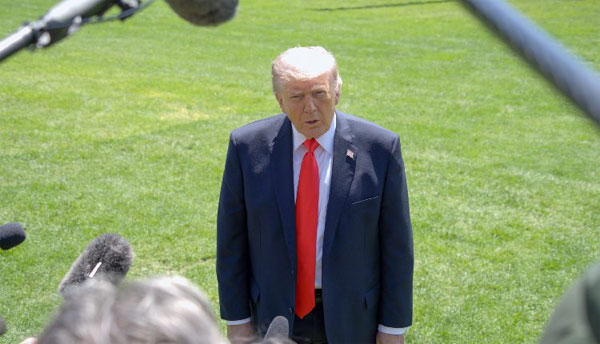
During an appearance in the Oval Office, the reporter asked Trump about a tanker carrying Russian diesel across the Atlantic, reportedly bound for the United States, and the legal restrictions on unloading its cargo.
Trump initially asked whether the restriction was covered under the Jones Act. The reporter clarified that the question concerned legislation enacted in 2022.
Trump did not provide a timeline for reviewing the law, propose any amendments or explain how his administration would reconcile its recent authorisation for Russian diesel transactions with the statutory import prohibition. He also did not announce that the ban had been lifted.
The issue has gained significance following a separate authorisation issued by the US Treasury Department nearly a month earlier.
On October 9, the Treasury Department's Office of Foreign Assets Control (OFAC) issued General License 135, authorising transactions otherwise prohibited under two sets of Russia-related sanctions regulations when they involve the sale, delivery, offloading or importation of Russian-origin diesel.
The licence expressly covers imports into the United States and remains valid until 12.01 am Eastern Daylight Time on April 7, 2027.
However, it excludes debits to accounts held at US financial institutions by Russia's central bank, National Wealth Fund or Finance Ministry. The authorisation is limited to diesel and does not constitute a general reopening of trade in all Russian petroleum products.
The Ending Importation of Russian Oil Act, signed on April 8, 2022, separately prohibits imports of Russian products classified under Chapter 27 of the US tariff schedule.
The legislation lays down a specific procedure for terminating the prohibition. It requires the President to certify that Russia has entered into an agreement accepted by Ukraine for withdrawal and cessation of hostilities, that no immediate military threat from Russia exists against NATO members, and that Ukrainians' right to choose their government has been recognised.
The process also requires prior consultation with congressional committees and provides for a 90-day period after the presidential certification before the prohibition can be terminated, unless Congress passes a resolution of disapproval.
The Treasury licence, however, does not establish that this statutory procedure has been completed.
New Jersey Governor Mikie Sherrill had challenged the authorisation in a November 2 letter to port and terminal operators, three days before Trump's latest remarks.
“The Trump Administration’s authorization of Russian fuel imports directly conflicts with federal law,” she wrote.
Sherrill argued that the legislation did not grant the executive branch blanket authority to waive the import ban through licences. She also warned businesses against accepting the fuel and said New Jersey would use available legal and regulatory powers to oppose such imports.