Daijiworld Media Network - New Delhi
New Delhi, Nov 9: Consumers across the country are expected to save around Rs 3,540.38 crore annually following the implementation of revised prices for 1,364 anti-cancer drug formulations, the government said on Monday.
The revised prices came into effect on November 9 after the National Pharmaceutical Pricing Authority (NPPA) capped trade margins on the maximum retail price (MRP) of 137 anti-cancer drugs.
The NPPA, functioning under the Department of Pharmaceuticals, implemented the measure based on recommendations of an expert committee constituted by the Directorate General of Health Services on October 17, 2026.
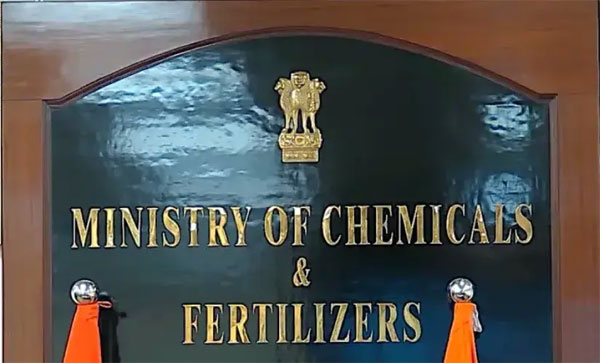
According to the Ministry of Chemicals and Fertilizers, 85 pharmaceutical companies had reported revised MRPs for 1,364 anti-cancer formulations covering 121 drugs as of November 8.
Of these, 679 brands reported price reductions of more than 50 per cent, while the highest reduction in MRP stood at 96.45 per cent, the ministry said.
The ministry advised consumers to check the revised MRPs printed on medicine packs and verify the prices through the Pharma Sahi Daam mobile application or the NPPA website.
It clarified that no chemist or hospital pharmacy can charge more than the revised MRP.
Consumers can lodge complaints regarding overcharging and other price-related issues through the Pharma Jan Samadhan portal or contact the NPPA helpline at 1800-111-255, the ministry added.
Earlier in October, the NPPA had released a revised list of MRPs covering more than 500 brands of anti-cancer medicines as part of its trade margin rationalisation initiative to make cancer treatment more affordable and accessible across the country.
The move followed the NPPA's October 17 announcement on rationalising trade margins for 137 non-scheduled anti-cancer medicines in the public interest.
The government said the initiative aims to curb excessive trade margins across the pharmaceutical supply chain, reduce treatment expenses for patients and improve access to essential oncology medicines.
The affected medicines include immunotherapy drugs prescribed for more than 20 types of cancer, Denosumab used in the treatment of breast and prostate cancers, Pegfilgrastim prescribed to prevent neutropenia among cancer patients, and Bevacizumab, which is approved for treating colon, ovarian and cervical cancers.