Daijiworld Media Network – Mumbai
Mumbai, Nov 11: World Diabetes Day, observed every year on November 14, highlights the growing burden of diabetes and the importance of awareness, early detection and prevention. India remains among the countries with a significant number of people affected by the condition.
Diabetes is often linked solely to excessive sugar consumption, leading many to believe that avoiding sweets is enough to prevent the disease. However, doctors point out that the condition is far more complex, with metabolic changes often beginning years before blood sugar levels become abnormal.
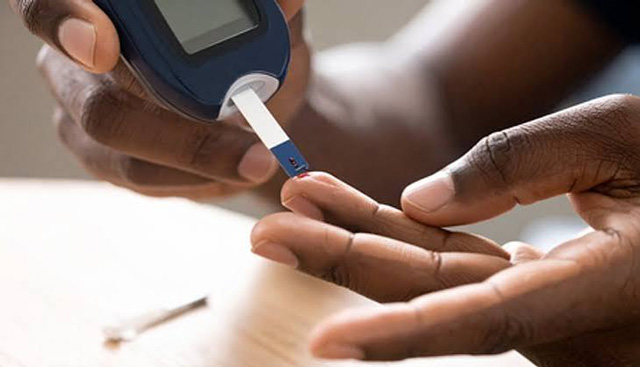
If left unmanaged, diabetes can gradually damage vital organs, including the heart, kidneys and eyes, while also affecting the nerves.
Dr Deepak Thiriveedi, consultant endocrinologist and diabetologist at AGI Hospital, explained that metabolic changes involve alterations in the way the body processes food and uses energy. One of the earliest changes is insulin resistance, a condition in which the body's cells do not respond effectively to insulin.
Dr Ravi Sankar Erukulapati, consultant endocrinologist at Apollo Hospitals, Jubilee Hills, said metabolic dysfunction could begin several years before a person develops abnormal glucose levels.
In the early stages, most metabolic changes do not produce noticeable symptoms. However, increasing waist circumference, abdominal weight gain and darkening of the skin around the neck or armpits could indicate possible metabolic problems.
Doctors warn that individuals with prediabetes may feel completely healthy despite having elevated blood sugar levels. Regular screening is therefore important for identifying the condition early.
Type 2 diabetes generally develops gradually, with the body initially producing additional insulin to compensate for insulin resistance.
Fasting blood glucose and HbA1c tests are among the recommended initial screening methods. An oral glucose tolerance test may also be advised in selected cases. A lipid profile, blood pressure assessment and waist circumference measurement can provide further information about a person's metabolic health.
Dr Ravi Sankar recommends diabetes screening for people above 35 years of age, while those with additional risk factors may require annual testing.
Family history, abdominal obesity, physical inactivity, high blood pressure, fatty liver and polycystic ovary syndrome (PCOS) are among the factors that can increase the risk of developing diabetes.
Indians face additional risks as diabetes can develop at younger ages and even among people with relatively lower body weight. Doctors also caution that having a normal body mass index (BMI) does not necessarily indicate good metabolic health.
Some individuals with normal BMI may have excess abdominal fat and relatively low muscle mass, a condition commonly described as the 'thin-fat' phenotype.
Lifestyle changes remain among the most effective ways to prevent or delay the onset of type 2 diabetes. Although genetics plays an important role, doctors say healthy habits can influence whether an inherited susceptibility develops into the condition.
Studies suggest that losing around 5 to 7 per cent of body weight, along with regular physical activity and a balanced diet, can significantly reduce the risk among overweight individuals.
Doctors recommend brisk walking and other forms of moderate exercise as part of a regular routine. A balanced, home-cooked diet containing more vegetables, pulses and protein, while limiting refined carbohydrates and sugary drinks, can also support better metabolic health.
Breaking up long periods of sitting with short walks and maintaining regular physical activity can further improve overall health.
Doctors also stress that diabetes prevention does not require completely eliminating a particular food. Instead, portion control, balanced nutrition and consistent exercise are essential.
With diabetes increasingly affecting younger populations, health experts emphasise the importance of recognising early warning signs, undergoing regular screening and adopting sustainable lifestyle changes to reduce the risk of the disease.