Daijiworld Media Network – Cairo
Cairo, Nov 19: US allies in the Middle East have intensified diplomatic efforts to prevent a renewed full-scale war with Iran amid growing pressure from Israeli Prime Minister Benjamin Netanyahu on the Trump administration to launch a joint air campaign against Tehran, regional officials have said.
Government and security officials from Persian Gulf countries, Pakistan and Turkey have been holding discussions and contacting senior US officials in an effort to prevent further military escalation. Four regional officials familiar with the diplomatic efforts shared the information on condition of anonymity.
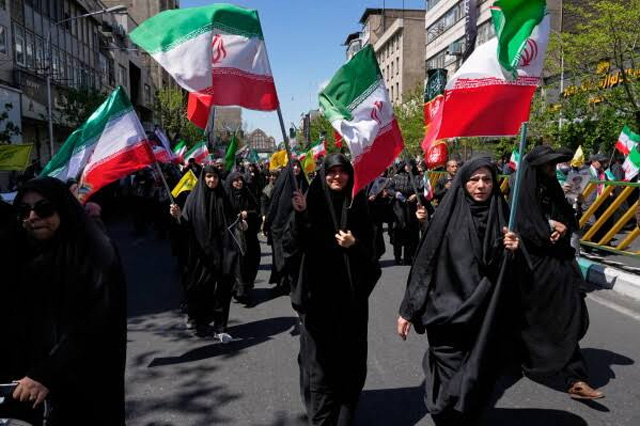
The diplomatic push comes as Iran expanded its attacks on neighbouring Gulf countries on Wednesday, targeting a US air base in Kuwait and launching several attacks on Bahrain. The strikes appeared to be retaliation for an American military operation the previous day.
Regional allies are concerned that Netanyahu may persuade Washington to resume military operations or allow Israel to strike Iran's nuclear facilities and missile capabilities. They are also closely watching the recent visit of Israel's Mossad chief, Roman Gofman, to the United States.
Gofman, who is considered close to Netanyahu, met CIA Director John Ratcliffe in Washington before travelling to Miami for discussions with US envoy Steve Witkoff, according to regional officials.
His visit followed a meeting between Qatar's Prime Minister Sheikh Mohammed bin Abdulrahman bin Jassim Al Thani and US President Donald Trump at the White House. Qatar has been attempting to bring Washington and Tehran back to the negotiating table.
A person familiar with Gofman's visit said the discussions with Ratcliffe covered several issues, including Iran and military assistance. The CIA declined to comment.
A US official said the Trump administration's economic pressure campaign against Iran had been effective and that the President did not need to restart major combat operations. The official added that Washington remained in close contact with its Gulf allies and had options to prevent Iran from acquiring nuclear weapons.
Arab countries in the region fear that another round of fighting could be more destructive than the previous conflict. They believe Iran and its allies could target not only US military facilities but also oil installations, power stations, desalination plants and undersea communication cables.
There are also concerns that Yemen's Iran-backed Houthi rebels could disrupt shipping through the Bab el-Mandeb Strait, a crucial route connecting the Red Sea with the Gulf of Aden.
The latest exchange of attacks followed a US fighter jet strike on a Revolutionary Guard missile launch site on Qeshm Island in the Strait of Hormuz on Tuesday. The operation came after an Iranian attack on an American radar installation in Bahrain.
Iran said its recent attacks on US facilities in Bahrain were in response to American drone surveillance operations and strikes on Iranian communications towers.
Meanwhile, US Central Command chief Admiral Brad Cooper met Israel's military chief of staff Eyal Zamir and Gofman in Tel Aviv on Wednesday.
The US naval blockade has put further pressure on Iran's economy, while American military escorts have helped restore the passage of some oil tankers through the Strait of Hormuz. However, Iran has continued to target vessels attempting to cross the waterway.
Experts believe the repeated attacks could increase the risk of a wider confrontation, even if neither side intends to resume full-scale war.
United Arab Emirates state-owned oil company ADNOC said one of its tanker crew members was missing following an attack in the strait on Tuesday. Eleven others were injured and were receiving medical treatment.
Iran analyst Hamidreza Azizi of the International Crisis Group warned that military incidents across several fronts could lead to miscalculation and escalation. Danny Citrinowicz, a researcher at Israel's Institute for National Security Studies, said Iran appeared to be following a strategy of controlled escalation to increase the military and economic costs of the blockade.
Iran's attacks on Gulf facilities have continued since Israel and the United States launched their military campaign against the country on February 28.
In the latest incident, Iran's military targeted air defence systems and drone and missile launch platforms at the Ali Al Salem air base in Kuwait, according to Iranian state media. Kuwait's military said its air defences intercepted drone attacks, while its Foreign Ministry condemned the repeated strikes as a threat to the country's security and stability.
The base has reportedly been struck at least 30 times, with damage to aircraft hangars, warehouses and other buildings, according to an Associated Press analysis.
Bahrain's military also said it had intercepted several Iranian attacks on Wednesday but did not provide details of damage or casualties.
Separately, Saudi officials have reportedly informed allies that the conflict involving Yemen's Houthi rebels could continue for another six months.
A diplomat familiar with the discussions said Saudi Arabia believes the military coalition supporting Yemen's internationally recognised government must further weaken the Houthis before meaningful negotiations with the rebel group can begin.
The Houthis control large parts of Yemen, including the capital Sanaa, and have made territorial gains along the Red Sea coast. They have also launched missile and drone attacks targeting Saudi infrastructure, including King Khalid International Airport in Riyadh and energy facilities.
Saudi Arabia continues to seek US military support to alter the course of the conflict, although Trump has so far resisted calls from his ally to launch American strikes against the Houthis.