Daijiworld Media Network - New Delhi
New Delhi, Nov 20: Nepal Prime Minister Balendra Shah will undertake his first bilateral visit to India since assuming office in March this year, with the two-day trip scheduled for November 22 and 23. The visit is at the invitation of Prime Minister Narendra Modi.
According to the Ministry of External Affairs (MEA), the visit will provide an opportunity for the two neighbouring countries to review their bilateral ties and explore ways to strengthen cooperation across various sectors.
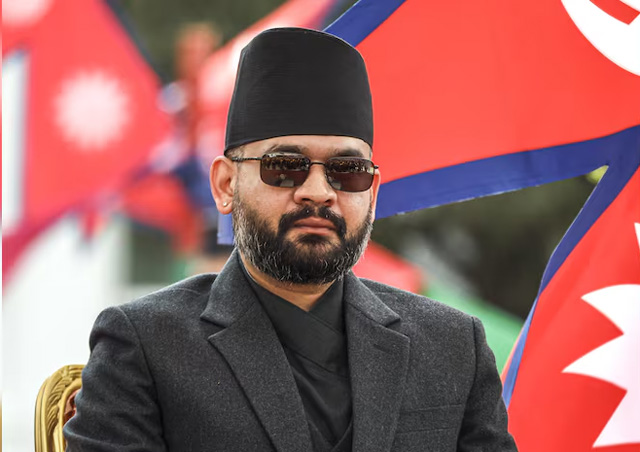
Shah, who took over as Nepal's prime minister on March 27, is expected to hold talks with Modi on the entire range of bilateral relations, including trade, connectivity, energy cooperation, hydropower, development partnerships and regional issues.
The Nepalese prime minister is expected to arrive in New Delhi on November 22 and return to Kathmandu the following day. His programme has been shortened to around 25 hours from the initially planned three-day visit, with engagements largely confined to the national capital.
The discussions are expected to focus on Nepal's long-standing demand for additional entry routes through Indian airspace for international flights. Kathmandu has been seeking better air connectivity for its international airports in Pokhara and Bhairahawa.
Economic assistance and post-disaster reconstruction are also likely to figure in the talks. Nepal has sought financial assistance of around $2 billion from India through grants and concessional loans following the devastating floods in August.
The two sides are also expected to discuss hydropower cooperation, cross-border electricity trade, railway connectivity and infrastructure development. India-backed projects, including the Nepal Police Academy in Panauti and the integrated check post in Bhairahawa, could feature in announcements and inaugurations during the visit.
Shah's visit comes at a significant time for India-Nepal relations, as his government has indicated its intention to pursue a more independent and assertive foreign policy. Differences relating to border issues, trade and connectivity remain sensitive aspects of the bilateral relationship.
India and Nepal share longstanding historical, cultural, economic and people-to-people ties, supported by an open border and extensive cooperation in development and security.