Pics: Nayana J C
Daijiworld Media Network – Mangaluru (NJC)
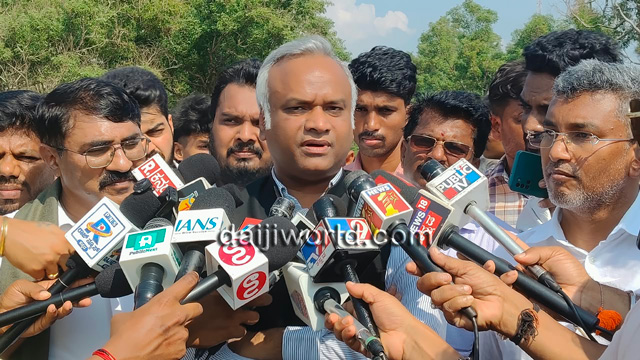
Mangaluru, Nov 25: Karnataka is exploring the possibility of establishing India’s first sustainable data centre in Mangaluru under its newly introduced Sustainable Data Centre Policy. IT and BT Minister Priyank Kharge inspected the proposed site at Tannirbhavi on Wednesday.
The proposed project aims to boost the state's technology sector while ensuring environmental sustainability through the adoption of advanced technologies that minimise water consumption and improve energy efficiency.
Speaking to reporters after inspecting the site, Kharge said approximately 49 acres of land were available at Tannirbhavi, of which around 20 acres could be utilised for permanent construction under Coastal Regulation Zone (CRZ) norms.





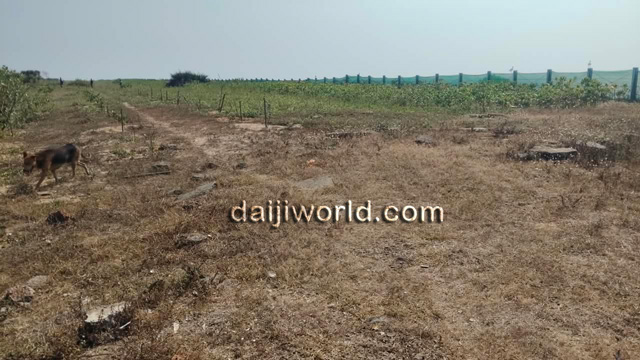
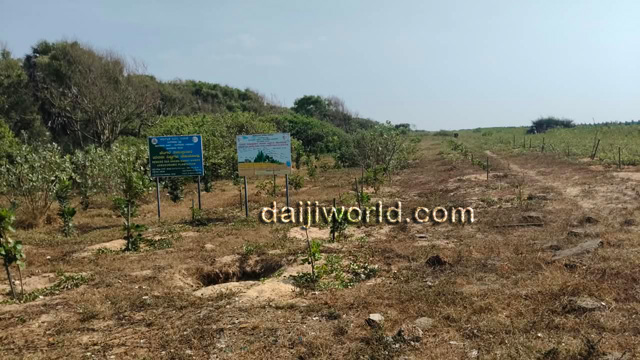

He said the feasibility of the site, its infrastructure requirements and other related aspects would be examined in detail before any further steps were taken.
The minister said the government would prepare a comprehensive white paper covering the entire ecosystem, including the advantages and limitations of the proposed location, available infrastructure facilities and its long-term development potential. The document would help showcase the region to prospective private investors and attract investments.
Responding to concerns over the substantial water and electricity requirements of data centres, the minister said the government had replaced its earlier data centre policy with a Sustainable Data Centre Policy, making Karnataka the first state in the country to introduce such a policy.
"Data centres are essential in the era of artificial intelligence. However, development must take place responsibly without damaging the environment or compromising the interests of future generations," he said.
He explained that the new policy focuses on reducing water consumption, improving energy efficiency and adopting advanced cooling technologies to minimise environmental impact. The government would also examine ways to ensure the efficient utilisation of water and power resources, particularly in view of the site's coastal location.
Kharge said a carrying capacity assessment and other technical evaluations would be undertaken to ensure that the proposed project did not adversely affect the environment. Various agencies had been asked to examine the site, and further steps would be taken after their assessments and reports on its feasibility were received.
Clarifying the timeline, he said the policy would remain in force for five years, but the project could move forward immediately if investors were willing to bring in the required capital while adhering to environmental safeguards.
"We are not interested in bringing investments at the cost of the environment. Responsible technological development is our priority," he said.
On the possibility of establishing another facility in Udupi, Kharge said a location had been identified, but preliminary information suggested that it could fall within a forest area. The government would examine the matter before considering further action.
Highlighting the region's growing potential in the technology sector, the minister said the coastal region was already generating IT exports worth approximately Rs 5,000 crore. A roadmap had also been prepared under the 'Beyond Bengaluru' initiative to strengthen the development of Mangaluru, Manipal and Udupi.
He noted that several leading consulting firms were expanding their presence in Mangaluru, including Deloitte, which had inaugurated its AI and Space Tech office in the city. Such developments would create more employment opportunities for local youth and attract further investments.
The minister said the government was keen to strengthen collaboration between private companies and the state to attract more capital, generate employment and harness the region's available talent.
Emphasising the long-term vision, Kharge said the proposed development should not be limited to the immediate project but should also take into account how the coastal region could grow over the next 20 years.