Updated
Daijiworld Media Network – Bengaluru
Bengaluru, Dec 9: In a significant development, the Karnataka high court (HC) has withdrawn the interim stay it had issued earlier in the day on the state government’s notification mandating one day of paid menstrual leave per month for women employees working in establishments registered under various labour laws.
The stay was lifted after the high court considered the state government’s request seeking withdrawal of the interim order, following modifications made to the government notification.
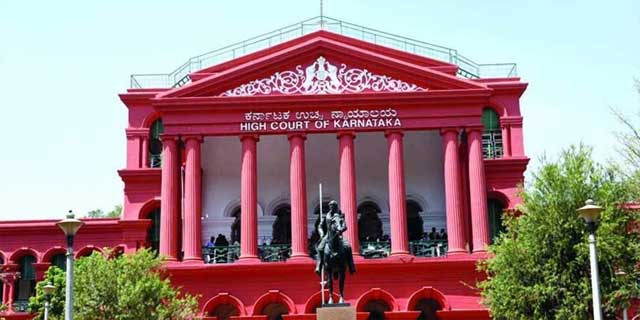
Earlier in the day, an interim stay had been issued by a single-judge bench headed by Justice Jyoti Mulimani, which heard the petition filed by the Bengaluru Hotel Owners’ Association challenging the government order.
After hearing arguments for some time, the bench had stayed the labour department’s notification as sought by the petitioners, while also granting the state government the liberty to file an application for vacating the stay. The court had also issued a notice to the state labour department, directing it to file objections. The matter was then adjourned until after the winter vacation.
However, within a few hours, the high court modified its earlier order and withdrew the interim stay after reviewing the state government’s plea. The next hearing in the case has been scheduled for Wednesday.
Earlier report
High Court stays Karnataka govt’s mandatory menstrual leave order
Daijiworld Media Network - Bengaluru
Bengaluru, Dec 9: The Karnataka high court (HC) has issued a major setback to the state government by staying its recent order mandating menstrual leave for women employees. The order had been challenged by the Bengaluru Hotel Owners’ Association, which argued that the government did not have the authority to impose such a directive. The petition came up for hearing on Tuesday, with advocate Prashanth B K representing the association.
On November 12, the Karnataka government had announced mandatory one-day paid menstrual leave per month for women employees. The labour department had issued the order directing establishments covered under various labour laws—including the Factories Act, Karnataka Shops and Commercial Establishments Act, Plantation Labour Act, Beedi and Cigar Workers Act and Motor Transport Workers Act—to provide this leave.
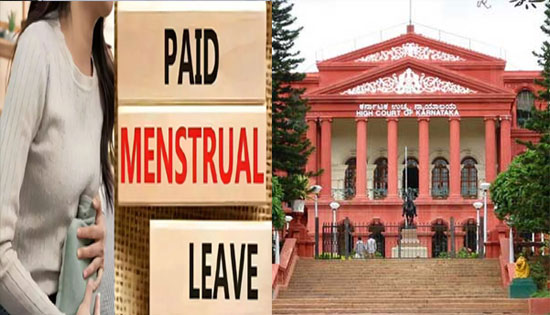
However, the hotel owners’ association opposed the decision, claiming that the government had no authority under existing labour laws to enforce such a rule. The association argued before the high court that leave policies fall under the internal administrative domain of individual establishments. They contended that the government had issued the directive under labour laws dating back to 1948, 1951, 1961 and 1966, but could not mandate such a policy through a simple government order.
After hearing arguments from advocate Prashanth B K, Justice Jyoti Mulimani granted an interim stay on the government’s order. The court noted that the government introduced a rule that is not present in the statute and questioned whether stakeholder opinions were sought before issuing the directive. When asked, the association’s counsel stated that no consultations were held.
The court clarified that the government is free to file an application seeking vacation of the interim stay. The matter will be taken up again after the winter session.
Reacting to the high court’s decision, P C Rao, honorary president of the Bengaluru Hotel Owners’ Association, said the government had not consulted the sector before issuing the order. He stated that private establishments already provide sufficient leave benefits to women employees and imposing an additional 12 days of leave annually was not legally justified. He added that such decisions would severely impact businesses and urged the government to hold discussions with industry stakeholders in the future.
Advocate Prashanth clarified that the government order applied only to private establishments, and their petition addressed this aspect specifically. He stated that the high court’s interim stay applies to the private sector. The matter will be heard again after the winter legislative session.