Daijiworld Media Network - Aden
Aden, Jan 3: The head of Yemen’s Southern Transitional Council (STC), Aidarous Al-Zubaidi, announced on Friday the start of a two-year transitional phase during which the council will govern southern Yemen, culminating in a referendum on self-determination for the region.
In a televised address aired on the STC-linked AIC channel, Al-Zubaidi said the decision was driven by what he described as a popular mandate, as well as recent political, security and administrative changes across the south. According to him, the transitional period is intended to lay the groundwork for restoring an independent southern state.
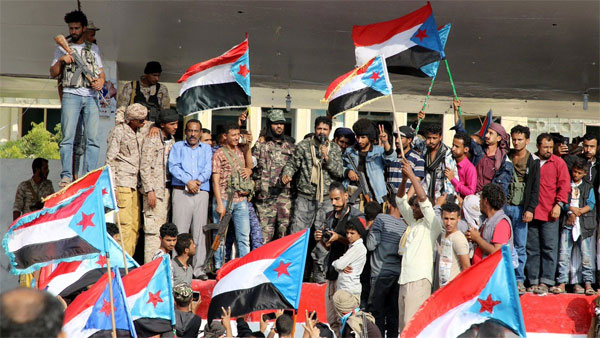
Al-Zubaidi stated that the transition would end with the issuance of a constitutional declaration to re-establish the State of South Yemen, with the declaration scheduled to come into force on January 2, 2028. After that, he said, a public referendum on independence would be held using peaceful, transparent procedures aligned with internationally recognised standards.
He cautioned, however, that the timeline could be accelerated if the STC’s demands are ignored or if southern territories, forces or civilians come under military attack. “All options remain open,” he said, signalling a readiness to respond to any escalation.
The internationally recognised, Saudi-backed Yemeni government has not yet issued an official response to the announcement.
The declaration comes amid escalating violence in the southeastern province of Hadramout, where STC-aligned forces and Yemeni government troops have been engaged in intense clashes over control of military installations and key state institutions. Local sources reported that fighting has intensified in recent hours as both sides attempt to consolidate their presence in the strategically significant and oil-rich region.
According to local media and military officials, Saudi warplanes carried out a series of airstrikes earlier in the day on multiple targets in Hadramout, including areas around Seiyun Airport, resulting in casualties.
Yemen has remained engulfed in conflict since 2014, when Houthi forces seized the capital Sanaa and much of the north, prompting a Saudi-led military intervention the following year. The STC, established in 2017 with backing from the United Arab Emirates, has long sought autonomy and eventual independence for southern Yemen.
Although the STC later joined the Saudi-led coalition and became part of Yemen’s Presidential Leadership Council in 2022, its push for southern sovereignty has continued, fuelling persistent tensions over power-sharing, territory and access to resources.