Daijiworld Media Network - Tehran
Tehran, Jan 29: Iranian authorities appear to have partially relaxed — but not fully lifted — sweeping internet restrictions imposed earlier this month, in what experts say reflects the growing economic and operational cost of the most severe internet shutdown the regime has ever implemented.
Internet analysts noted that connectivity across the country remains inconsistent, with users experiencing a “patchwork” of access and degraded services.
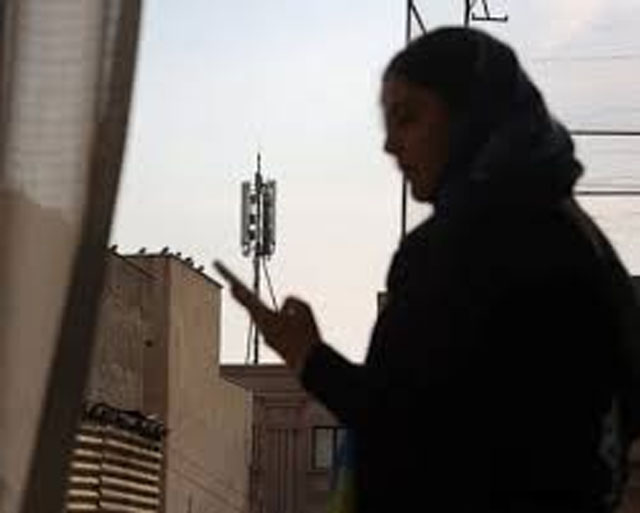
“There seems to be a real patchwork of connectivity. I think if most people have access, it’s some kind of degraded service,” said Doug Madory, director of internet analysis at Kentik. He added that the pattern suggests authorities may be attempting to develop a content-blocking system “by trial and error.”
On Wednesday, several Iranian Telegram channels that were previously inaccessible reportedly came back online. Data from Cloudflare and Kentik indicates that an uneven restoration of internet traffic began Tuesday morning, at one point reaching nearly 60% of pre-shutdown levels. However, the recovery has not been steady, with jagged peaks suggesting ongoing throttling and intermittent disruptions.
According to Filterwatch, an organisation monitoring Iran’s internet traffic, certain services such as Google, Bing and ChatGPT are reportedly accessible to some users on a province-by-province basis, though many remain unstable. Several social media and messaging platforms are still unusable in many parts of the country.
Iran’s internet shutdown began on January 8, following nearly two weeks of escalating anti-government protests. The blackout has been described as one of the defining features of what could be among the bloodiest periods in Iran’s recent history, severely limiting the flow of information from within the country.
The restrictions have also reportedly helped obscure accounts of violence, with reports of mass burials and bodies being moved in trucks emerging only sporadically through activists, journalists and limited online channels.
The shutdown has also taken a heavy toll on Iran’s economy, with many sectors unable to function normally. Despite efforts by authorities to whitelist select websites and refine the blockade, Iranian officials have reportedly acknowledged that the disruption has cost the country up to $36 million per day, as per an estimate cited by a government minister.
Reports also suggest that the impact has reached top business circles. An Iranian news outlet, backed by digital rights researchers, claimed that several CEOs gathered at the Tehran Chamber of Commerce dining hall this week to access limited internet — under government monitoring — with each individual reportedly restricted to 30 minutes of usage.
Two weeks ago, Iranian authorities were said to be preparing to keep the restrictions in place until at least Nowruz, the Persian new year on March 20. Experts believe the current shift indicates adjustments rather than a full rollback.
“It’s definitely not restored to pre-8 January levels,” Madory said. “Every day is different. Even within a day, it’s not consistent. It appears like they’re just developing this on the fly.”