Daijiworld Media Network – New Delhi
New Delhi, Feb 10: Gut microbiota dysbiosis may play a significant role in the development and progression of diabetic retinopathy (DR), according to a 2026 systematic review and meta-analysis that highlights the emerging gut–eye axis in diabetes-related eye disorders.
Diabetic retinopathy, a vision-threatening complication of diabetes, remains one of the leading causes of preventable vision impairment among adults aged 20 to 74 years. With the World Health Organization projecting that one in 10 people in the WHO European region will be living with diabetes by 2045, researchers warn that the burden of DR is expected to rise sharply.
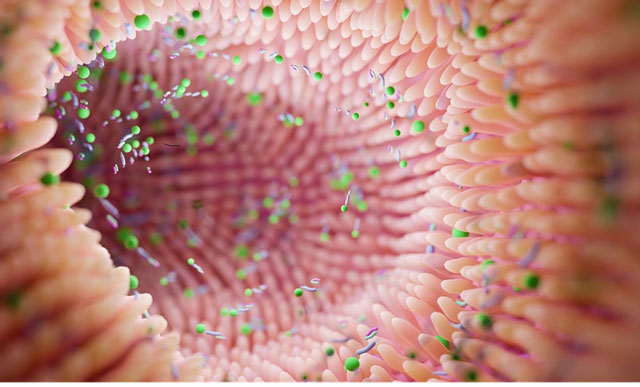
The review analysed 18 studies, including observational, cohort and Mendelian randomisation research, to assess the relationship between gut microbiota and diabetic retinopathy. While no significant differences were observed in gut microbial alpha diversity among patients with DR, diabetes patients without DR, and healthy individuals, beta diversity analysis consistently showed distinct clustering of microbial communities across these groups.
Researchers said this indicates that changes in the composition of gut bacteria, rather than overall diversity, may contribute to retinal damage. The study suggests that gut dysbiosis may worsen DR through the movement of pro-inflammatory metabolites across the intestinal barrier, triggering systemic inflammation and damaging retinal nerve cells.
Diabetes was identified as a major factor influencing alterations in gut microbiota. Previous studies have shown a complex interaction between gut health and ocular disorders, supporting the concept of a gut–eye axis — a bidirectional pathway through which intestinal microbes influence eye health by affecting vascular integrity, immune responses and inflammatory processes.
The researchers acknowledged limitations, including inconsistencies in some diversity measures, reliance on predominantly Asian study populations, and methodological variations that may affect wider applicability of the findings.
Despite these limitations, the study reinforced gut dysbiosis as an important contributor to diabetic retinopathy and highlighted potential clinical interventions. These include dietary modifications, probiotic supplementation and faecal microbiota transplantation to restore microbial balance and potentially slow the progression of DR.