Daijiworld Media Network – New Delhi
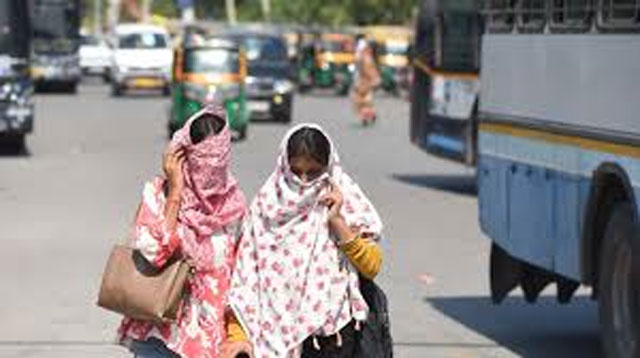
New Delhi, Mar 8: Several northern states are witnessing an unusual rise in temperatures, with Delhi recording its hottest first week of March day in the past 50 years on Saturday.
According to the India Meteorological Department (IMD), the city recorded a maximum temperature of 35.7 degrees Celsius at the Safdarjung observatory, the highest reading during the first week of March in the last five decades. The previous highest temperature during this period was 34.8 degrees Celsius recorded on March 5, 1999.
Data from IMD since 2011 shows that the second-highest temperature during the first week of March was recorded in 2016 when the mercury reached 33.6 degrees Celsius on March 4.
Safdarjung, the capital’s primary weather station, recorded a minimum temperature of 17.4 degrees Celsius on Saturday, which was 3.4 degrees above normal, while the maximum was 7.3 degrees above the seasonal average.
Neighbouring Haryana also experienced unusually high temperatures, with the average maximum temperature remaining 6.2 degrees Celsius above normal. The highest temperature in the state was recorded at Hisar, where the mercury touched 36.3 degrees Celsius.
In Uttarakhand, temperatures have been steadily rising in Dehradun and other regions over the past few days. The minimum temperature in Dehradun increased sharply from 12 degrees Celsius to 17.8 degrees Celsius on Saturday, around six degrees above normal. The maximum temperature in the city was recorded at 31.5 degrees Celsius, nearly five degrees above normal.
The Meteorological Centre in Dehradun said maximum temperatures in both the plains and hilly areas of the state remained significantly above normal over the past 24 hours.
Most parts of Jammu and Kashmir also continued to experience above-normal temperatures, though a slight drop in day temperatures was noted compared to the previous day, officials said.
However, the weather department has predicted a spell of wet weather between March 10 and 12 due to an approaching western disturbance.
Jammu recorded a maximum temperature of 30 degrees Celsius and a minimum of 19.1 degrees Celsius, which were 4.6 and 5.6 degrees above normal, respectively. The previous day, the city had recorded a maximum of 31.8 degrees Celsius.
Katra, the base camp for pilgrims visiting the Mata Vaishno Devi Shrine, recorded a maximum temperature of 28 degrees Celsius and a minimum of 17.8 degrees Celsius, both above the normal range.
Meanwhile, the rising trend in mercury continued in Himachal Pradesh, with the Shimla meteorological office predicting a heat wave in four districts — Kangra, Kullu, Mandi and Solan — on Sunday.
Heat wave conditions were already reported in areas such as Sundernagar, Bhuntar, Solan and Dharamshala on Saturday. Una recorded the highest daytime temperature in the state at 32.8 degrees Celsius, while Tabo remained the coldest at night with a minimum temperature of 1.8 degrees Celsius.