Daijiworld Media Network - Tehran
Tehran, Mar 31: Iran’s parliament has initiated steps to approve a new plan aimed at exercising tighter and more structured control over the strategically vital Strait of Hormuz.
Parliamentary spokesperson Abbas Goudarzi announced that the proposal has been placed on the legislative agenda after securing support from over 250 lawmakers out of the 290-member house, according to the semi-official Tasnim News Agency.
The plan focuses on strengthening maritime security in the region and introducing toll charges for vessels, which would be collected in Iran’s local currency, the rial. Senior MP Alireza Salimi said the “double-urgency” proposal outlines four primary goals: ensuring safe navigation, penalizing environmental violations, charging for maritime guidance services, and creating a regional development fund.
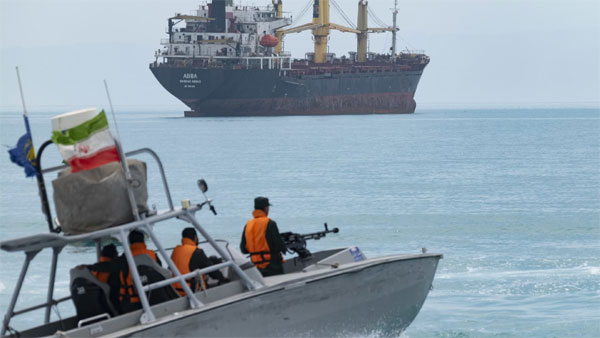
This development comes as Iran tightens its control over the crucial shipping route. Since late last month, Tehran has reportedly blocked access to vessels linked to Israel, the United States, and their allies.
Amid escalating tensions, Iranian Foreign Minister Seyed Abbas Araghchi criticized certain European nations for focusing on economic consequences rather than condemning what he described as attacks on Iranian civilians. In a phone conversation with Jean-Noel Barrot of France, Araghchi discussed the fallout from recent military escalations and the broader regional instability.
He warned that Iran would continue what it described as defensive operations, including targeting U.S. and Israeli military assets in the region. Araghchi also cautioned that any provocative actions related to the Strait of Hormuz, including moves at the United Nations, could further intensify the crisis.
Barrot reiterated France’s opposition to attacks on civilians and emphasized the need for renewed diplomatic efforts to de-escalate the conflict. He also expressed concern about the widening instability across West Asia, including tensions in Lebanon.
The situation follows a major escalation on February 28, when joint strikes by Israel and the United States targeted Tehran and other Iranian cities, reportedly resulting in the death of Iran’s Supreme Leader Ali Khamenei, along with senior military officials and civilians. Iran retaliated with multiple waves of missile and drone attacks on Israeli targets and U.S. bases across the Middle East, significantly heightening the risk of a broader regional conflict.