Daijiworld Media Network - Dubai
Dubai, Apr 4: In a notable sign of cautious recovery in global maritime activity, a French-owned cargo vessel has transited the strategically vital Strait of Hormuz, weeks after the conflict involving the United States, Israel, and Iran disrupted shipping in the region.
The Malta-flagged container ship owned by French shipping major CMA CGM successfully crossed the strait, marking the first such movement by a leading Western European firm since hostilities escalated. The development was confirmed by media reports, though the company has not issued an official statement.
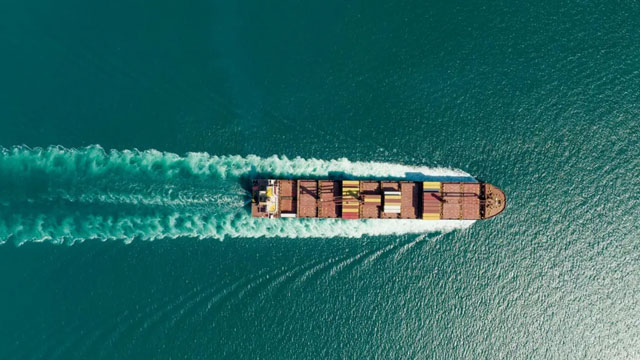
According to shipping analytics firm Kpler, the transit indicates a tentative resumption of operations along one of the world’s most crucial energy corridors.
Sources said that despite Iran’s assurance allowing passage for “non-hostile vessels,” continued tensions and attacks on ships had effectively halted routine traffic. The vessel reportedly navigated along the coast of Oman, maintaining a safer distance from Iranian waters during its journey.
In a related development, a Japanese natural gas carrier also exited the strait safely, with Mitsui O.S.K. Lines confirming the safety of its crew and cargo.
Maritime intelligence service Lloyd's List noted that ships passing through the strait have been sailing unusually close to Oman’s coastline as a precaution amid prevailing security concerns.
Meanwhile, US President Donald Trump stated that the United States could reopen the strait if required, while also expressing concern over limited support from allied nations.
The Strait of Hormuz accounts for nearly one-fifth of the world’s oil and liquefied natural gas shipments. Since the conflict erupted in late February, maritime traffic had slowed drastically, with reports indicating that nearly 200 vessels were stranded in nearby waters.
The disruption has significantly impacted global energy markets, leading to rising oil prices, increased fuel costs, and growing concerns over inflation worldwide.
Authorities continue to monitor the situation as developments unfold in the region.