Daijiworld Media Network – Tehran
Tehran, Apr 7: With a deadline set by US President Donald Trump for reopening the strategic Strait of Hormuz drawing closer, Iran has urged its youth to stage symbolic demonstrations around key infrastructure sites.
Iran’s Ministry of Sports and Youth has called on young citizens—including athletes, students, and artists—to form “human chains” around major power plants and nuclear facilities from 2:00 pm local time on Tuesday, just hours ahead of the deadline.
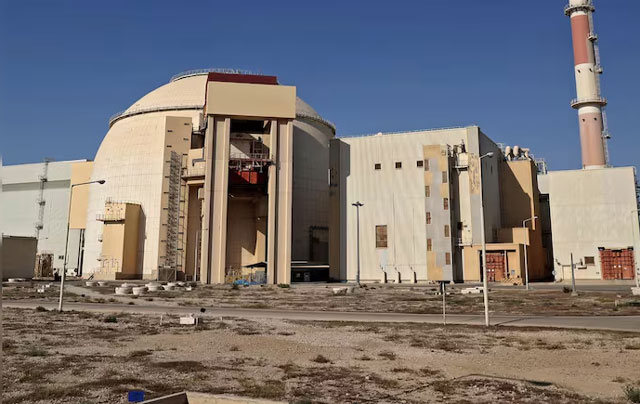
Iran’s Deputy of Youth Affairs, Alireza Rahimi, said the initiative was proposed by youth groups themselves. “A number of university students, young artists, and youth organisations suggested forming a human ring around the country’s power plants,” he said in a video message.
Officials described the move as a symbolic show of unity titled “Human Chain of Iran’s Youth for a Bright Future,” aimed at demonstrating commitment to safeguarding national infrastructure amid escalating tensions.
The development comes against the backdrop of sharp warnings from Trump, who has expanded his threats to include Iranian power plants and bridges if Tehran fails to comply.
“The entire country can be taken out in one night,” Trump said, adding that his deadline was final. He warned that “every bridge in Iran” could be destroyed and power plants rendered unusable.
Responding to concerns about potential war crimes, Trump dismissed criticism, claiming such action could lead to political change within Iran. However, there has been no indication of widespread unrest inside the country.
The US has demanded that Iran reopen the Strait of Hormuz—a crucial artery for global oil shipments—or face severe consequences. The situation has raised international concern due to the waterway’s importance to global energy supplies.
Meanwhile, US ally Israel has intensified pressure, reportedly targeting key Iranian installations and senior figures linked to the paramilitary Revolutionary Guard.
Despite the rising rhetoric, diplomatic channels remain active. Iran has rejected a proposed 45-day ceasefire, instead pushing for a permanent end to hostilities with guarantees against future attacks.
Mojtaba Ferdousi Pour, Iran’s diplomatic representative in Cairo, said Tehran no longer trusts Washington after previous strikes during negotiations.
However, a regional official involved in mediation efforts indicated that talks are still ongoing, with intermediaries continuing engagement with both sides in a bid to de-escalate tensions.