Daijiworld Media Network – Tehran
Tehran, Apr 8: Anxiety and uncertainty have gripped residents of Iran’s capital as fears mount over potential attacks on critical infrastructure amid rising tensions between United States and Iran.
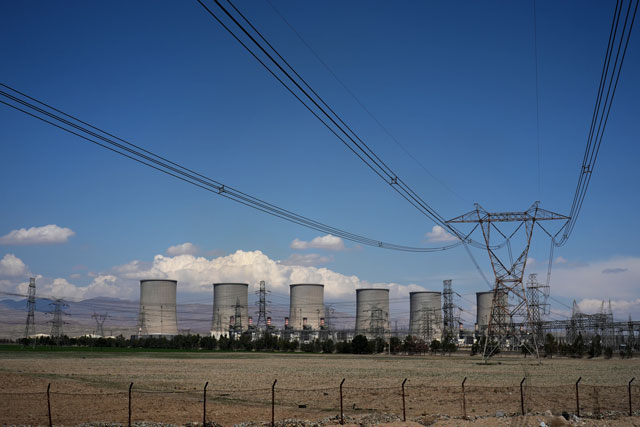
With US President Donald Trump issuing a stark ultimatum linked to reopening the Strait of Hormuz, citizens in Tehran rushed to stock up on essentials, fearing possible power outages that could cripple daily life.
Among those deeply affected is Asghar Hashemi, a 56-year-old dialysis patient undergoing treatment at Tajrish Martyrs Hospital. Dependent on regular medical care, he expressed grave concern that disruption to electricity could put his life at immediate risk. Despite this, he voiced solidarity with fellow citizens, stating that the suffering is shared across the population.
As the deadline set by Washington approached, residents prepared for the worst—charging devices, buying bottled water, and securing emergency supplies. Many fear that a loss of electricity would halt water supply, sanitation, and essential services.
Younger residents echoed similar concerns. Mahan Qayoumi, a 23-year-old artisan worker, said a blackout would bring everyday life to a standstill, affecting livelihoods and basic needs. Others have already begun leaving the city, seeking refuge in relatively safer northern regions.
Despite the tension, parts of the city showed resilience, with markets operating and businesses continuing as usual. Some citizens, drawing from past experiences like the Iran-Iraq war, appeared more composed, adapting to the crisis with cautious optimism.
Hospitals, meanwhile, have activated contingency plans. Officials at Tajrish Martyrs Hospital confirmed that backup generators and sufficient medical supplies are in place to handle emergencies, even as priority is being given to war-related casualties.
Security has been heightened across Tehran, with checkpoints and armed patrols deployed at key locations. Internet restrictions have further added to public anxiety, limiting access to information during a critical time.
While some residents remain determined to endure, others fear that any escalation targeting infrastructure will disproportionately impact civilians rather than authorities.
As diplomatic efforts continue, the situation remains tense, with millions of lives hanging in the balance amid the uncertainty of what lies ahead.