Daijiworld Media Network - Mumbai
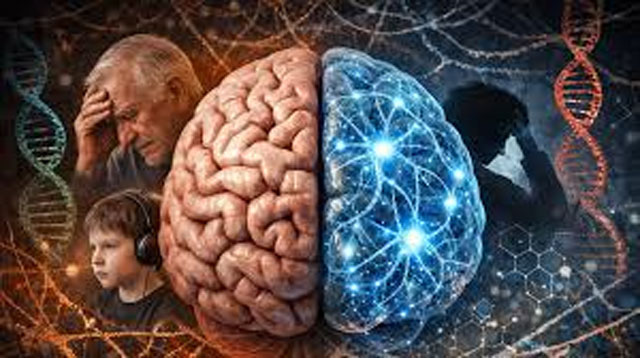
Mumbai, Apr 15: Emerging research has identified a potential biological connection between autism spectrum disorder and Alzheimer's disease, with findings suggesting that autistic adults may be up to eight times more likely to be diagnosed with Alzheimer’s compared to the general population.
The studies highlight overlapping disease mechanisms, particularly involving Autophagy—a critical process that helps maintain cellular health. Disruptions in this system are believed to play a key role in both conditions.
Biotech firm Anavex Life Sciences said the findings support the therapeutic potential of its drug candidate, Blarcamesine, which targets shared disease biology through activation of the SIGMAR1 receptor.
A 2026 study examined disruptions in brain processes such as synaptic regulation and fluid clearance, focusing on the Glymphatic system. Researchers found similarities in how both disorders affect cerebrospinal fluid (CSF) flow and lymphatic drainage, particularly through nasal structures.
Earlier findings from a 2025 analysis of over 114,000 autistic adults using Medicare and Medicaid data also showed a significantly higher prevalence of dementia.
Scientists propose a common pathway involving impaired CSF drainage, glymphatic dysfunction, and accumulation of waste products in the brain—factors that may contribute to both autism and Alzheimer’s pathology.
The research opens up possibilities for shared diagnostic approaches, such as CSF flow assessment, and targeted therapies aimed at improving brain waste clearance systems.
Experts say these insights strengthen the case for precision medicine approaches that target underlying cellular dysfunction across neurological conditions, potentially benefiting patients across different age groups.