Daijiworld Media Network – Panaji
Panaji, Apr 26: Consumers in Goa will soon have the option to switch to prepaid electricity connections as part of the state’s ongoing smart meter rollout, a senior official said.
Electricity department Superintending Engineer and nodal officer for the project, Mayur Hede, said consumers will be able to choose between prepaid and postpaid modes, similar to mobile connections.
“Consumers will be able to decide whether they want a prepaid or postpaid connection,” he said.
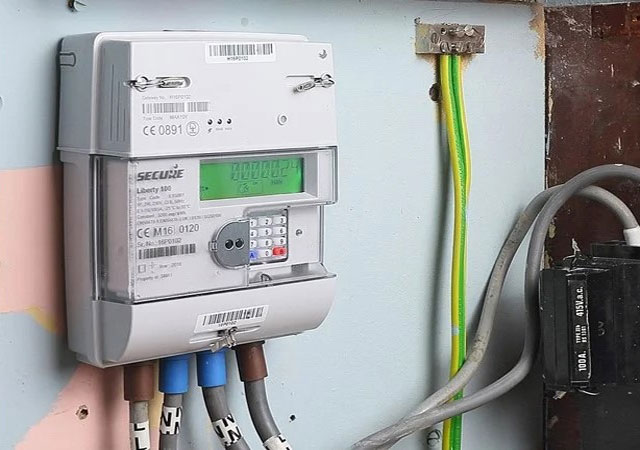
The department has already replaced around 15,000 conventional digital meters with smart meters across the state, covering both government and private consumers. Installations are currently underway in Bambolim, Taleigao and Panaji.
Hede clarified that electricity billing remains unchanged despite the transition. “Bills are being generated as usual. Only the meters have changed, and consumers can see the updated meter details in their bills,” he said.
A dedicated consumer app linked to the smart meters has been developed, which will allow users to track electricity consumption on an hourly, weekly and fortnightly basis. However, the app is yet to be made available to the public.
“We are in the process of adding payment features. Once approvals are in place, the app is expected to be launched within about 20 days,” Hede said.
The app will eventually enable prepaid recharges, but officials said all payment functionalities will be activated before offering the prepaid option to consumers.
The electricity department aims to replace around 7.5 lakh meters across Goa by August 2027 under the modernisation initiative.
Power Minister Ramkrishna Sudin Dhavalikar, in a written reply in the legislative assembly, said the total cost of the project is over Rs 890 crore. Of this, Rs 820 crore will be borne by the state government, while Rs 70 crore will be funded by the Centre through gross budgetary support.
The rollout, however, has faced opposition from some quarters. Former bureaucrat Elvis Gomes has raised concerns over the mandatory replacement of existing meters and potential data privacy issues.
He said that under provisions of the Electricity Act, consumers should have the choice to opt for prepaid meters voluntarily. He also questioned the financial burden of replacing functional meters and flagged concerns about consumer data being handled by private entities, as well as the future of meter readers.
The department has maintained that the replacement of meters is not optional and is part of a larger national initiative under the Revamped Distribution Sector Scheme (RDSS) to modernise power infrastructure.
Officials also emphasised that the shift to smart meters will not lead to an increase in electricity bills, noting that both existing and new meters are digital.
They highlighted several advantages of smart meters, including remote connection and disconnection, time-of-day tariff management, and the ability to monitor voltage fluctuations and power outages more efficiently.
Authorities said the initiative is aimed at improving service delivery, enhancing transparency and enabling better energy management for both consumers and the department.