Daijiworld Media Network - New Delhi
New Delhi, Jun 2: India has recorded significant improvements in child and maternal health indicators over the past few years, but a sharp rise in caesarean deliveries has emerged as a growing concern, according to the latest National Family Health Survey (NFHS-6).
The survey, conducted during 2023-24 by the Union Health Ministry and the International Institute for Population Sciences (IIPS), covered all states and Union Territories except Manipur.
The findings showed that while child marriage has declined over the years, it continues to affect nearly one in five girls. The report also highlighted progress in immunisation, maternal healthcare and child nutrition, even as lifestyle-related diseases continue to increase.
Child health and nutrition indicators registered notable improvements. Stunting among children under five years declined from 35.5 per cent in NFHS-5 to 29.3 per cent in NFHS-6. Severe wasting dropped from 7.7 per cent to 5.2 per cent, while the proportion of underweight children fell marginally from 32.1 per cent to 31.8 per cent.
The survey also recorded progress in disease prevention. Symptoms of acute respiratory infections among children declined from 2.8 per cent to 1.9 per cent, while severe diarrhoea prevalence dropped to 0.5 per cent.
Vaccination coverage improved significantly across the country. Full immunisation among children aged 12-23 months increased from 83.8 per cent to 87.1 per cent. According to the survey, 95.6 per cent of children received most of their vaccines through public health facilities.
Coverage of key vaccines also witnessed a sharp rise. Rotavirus vaccination increased from 36.4 per cent to 85.4 per cent, while coverage of the second dose of the measles vaccine rose from 58.6 per cent to 71.8 per cent.
Maternal healthcare indicators also showed steady improvement. Nearly 96 per cent of pregnant women received antenatal care, while first-trimester registration increased from 70 per cent to 76.2 per cent.
The proportion of women receiving at least four antenatal care visits rose from 58.5 per cent to 65.2 per cent. Institutional deliveries increased from 88.6 per cent to 90.6 per cent, indicating that more women are giving birth in healthcare facilities.
Maternal nutrition improved as well, with the percentage of women consuming iron-folic acid supplements for at least 100 days during pregnancy rising from 44.1 per cent to 54.9 per cent.
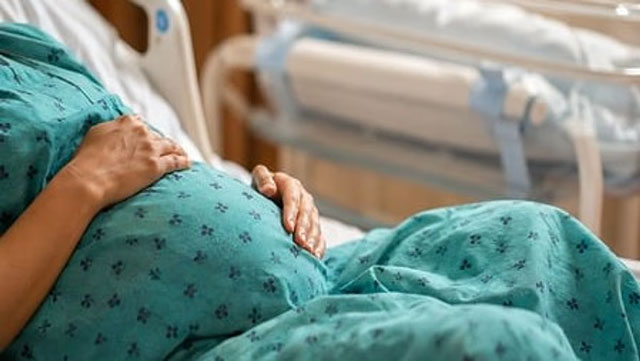
However, the report flagged the steady rise in caesarean deliveries as a key concern. The national C-section rate increased from 21.5 per cent to 27.2 per cent.
Health experts warned that caesarean deliveries can sometimes lead to delayed breastfeeding practices.
"Post C-section, the postoperative pain makes it uncomfortable for mothers to hold the neonate. In women who have had C-sections, there is delayed onset of lactation and sometimes low milk supply in the first few days," said Dr Anita Gupta, Additional Director, Obstetrics and Gynaecology, Fortis La Femme.
In urban India, the C-section rate reached 40 per cent, significantly higher than the World Health Organisation's recommended range of 10-15 per cent.
The increase was largely driven by private hospitals, where C-section rates rose from 47 per cent to 54 per cent. At the national level, caesarean deliveries were 37 percentage points higher in private healthcare facilities than in public hospitals.
The survey noted that India's total fertility rate remained stable at 2.0, below the replacement level of 2.1.
The findings suggest that while India has made substantial progress in maternal and child healthcare, addressing the rise in caesarean deliveries and lifestyle-related diseases will remain key public health challenges in the years ahead.