Daijiworld Media Network - Pudukkottai
Pudukkottai (Tamil Nadu), Jun 7: Senior DMK leader R.S. Bharathi on Sunday categorically dismissed any possibility of a future political rapprochement with the Congress, stating that the two parties had moved in separate directions and that a reunion would not be accepted by DMK workers.
Addressing reporters in Pudukkottai, Bharathi said the political relationship between the DMK and Congress had effectively ended. He rejected speculation about any future alliance, asserting that the party’s rank and file would strongly resist any move to revive ties, regardless of decisions taken at higher levels.
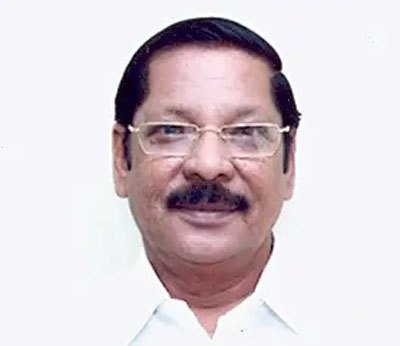
His remarks came amid recent criticism from Congress leaders over the DMK’s political strategy and performance. Responding sharply, Bharathi advised Congress leaders, including Manickam Tagore, to assess their own party’s electoral standing before commenting on others.
The former Rajya Sabha member also spoke about the upcoming local body elections, expressing confidence in the DMK’s organisational network and grassroots presence across Tamil Nadu. He challenged rival parties, including the BJP, to test their support among voters and called for the elections to be held as early as January.
Bharathi argued that local body elections are often decided by a candidate’s track record, public service, and local connect rather than broader political narratives. He challenged opposition parties to demonstrate their strength by securing even a single mayoral post if they believed they enjoyed significant public support.
Reaffirming the DMK’s ideological commitment, Bharathi reiterated that the party would never align with the BJP, emphasizing that the Dravidian movement’s principles remained central to the party’s identity and political approach.
He also criticised the increasing trend of political defections in the state, describing it as the emergence of an “Aya Ram Gaya Ram” culture, where politicians frequently switch parties in pursuit of power and positions. According to him, such moves rarely lead to lasting political success, and many leaders who leave their parties eventually find their way back when political circumstances change.
Commenting on the rise of actor-turned-politician Vijay’s Tamilaga Vettri Kazhagam (TVK), Bharathi downplayed the significance of the party’s recent electoral gains. He described its success as a temporary wave driven largely by celebrity appeal and social media influence rather than deep-rooted ideological support.
Bharathi maintained that TVK’s popularity would ultimately be tested by public expectations and political realities. He argued that the party’s current momentum should not be interpreted as a broad endorsement from the electorate and suggested that its long-term sustainability remained uncertain.