Daijiworld Media Network – Bengaluru
Bengaluru, Jun 8: Karnataka has recorded a steady rise in HIV/AIDS cases linked to male-to-male sexual (MMS) contact over the past three years, according to data released by the Karnataka State AIDS Prevention Society (KSAPS).
Active HIV cases increased from 44,581 in 2023-24 to 62,664 in 2024-25 and further to 66,606 in 2025-26, reflecting a growing public health concern.
The sharpest increase was observed among individuals aged 18-25 and 26-35 years. Cases in the 18-25 age group rose from 3,732 in 2023-24 to 6,962 in 2024-25 before slightly declining to 6,283 in 2025-26. In the 26-35 age group, cases increased from 9,351 in 2023-24 to 14,555 in 2025-26.
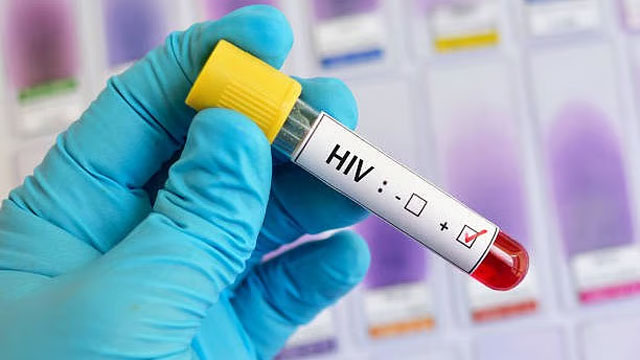
Among sexually transmitted infections reported in the state, HIV remains the most prevalent, with 417 new cases registered this year.
Padma B, Project Director of KSAPS, said the increase has prompted authorities to intensify awareness campaigns in college hostels, educational institutions and corporate offices.
“We are raising awareness about safe sex practices in same-sex intimacy cases. The number of cases has increased due to outbreaks in hostels. We have had cases involving men having intercourse with female sex workers and then among themselves, which has also contributed to many cases,” she said.
As part of its prevention strategy, the state government is encouraging people to use the BreakFree app, which offers guidance and risk assessment related to HIV and other sexually transmitted diseases.
KSAPS is also conducting awareness programmes through 442 Red Ribbon Clubs across Karnataka, including more than 40 in Bengaluru, to educate young people about HIV prevention, sexuality and healthy lifestyle choices.
“We also have the 1097 helpline to offer support. We are conducting awareness programmes in corporate offices and organising two-month-long testing camps,” Padma added.
Medical experts have attributed the increase partly to changing social dynamics and increased use of digital platforms.
According to Dr. Swati Rajagopal, Senior Consultant in Infectious Diseases at a Bengaluru-based hospital, social networking and dating applications have made it easier for individuals to find partners, potentially leading to a higher number of sexual contacts.
“Inconsistent condom use, limited awareness about sexually transmitted infections beyond HIV, and reduced perception of risk are also important factors,” she said.
She noted that syphilis, gonorrhoea, chlamydia and HIV remain among the most commonly reported sexually transmitted infections.
“In recent years, healthcare providers have observed a notable increase in syphilis and gonorrhoea cases. This trend is concerning because untreated STIs can lead to serious complications and may also increase the risk of acquiring or transmitting HIV. Another challenge is the emergence of antibiotic-resistant gonorrhoea, which makes treatment more difficult,” Dr Rajagopal added.